
A newly built wood deck has a fresh, inviting appearance that homeowners naturally want to preserve. Sealing helps protect that beauty from moisture, sunlight, foot traffic, and seasonal weather. Yet applying a sealer immediately after construction can create problems rather than prevent them. The wood needs to reach the right condition before it can accept a protective finish properly.
At Exquisitely Renovated LLC, our deck construction and exterior renovation work across Maryland and Washington, D.C. has shown us that successful deck protection starts with patience. The correct timing depends on the decking material, moisture level, weather, sun exposure, and product being applied. A calendar can provide a useful estimate, but the condition of the wood should guide the decision.
For many new pressure-treated decks, the waiting period may range from several weeks to a few months. Some treated-wood manufacturers indicate that lumber may be ready around 60 days after installation, yet actual drying time varies with temperature, sunlight, and recent rainfall. The safest approach is to test the deck rather than sealing it simply because a certain number of weeks have passed.
Why a New Deck Should Not Always Be Sealed Immediately
Pressure-treated lumber is commonly used for residential decks because preservatives help protect the wood against decay and insects. During pressure treatment, a water-based preservative solution is driven into the lumber. New boards can retain a considerable amount of moisture when they arrive at a property.
That moisture matters because deck sealers and stains need suitable surface conditions to penetrate or adhere correctly. Wood that is still holding excess moisture may resist the finish. Instead of penetrating evenly, the product can remain near the surface, creating an inconsistent appearance and weaker performance.
Sherwin-Williams advises allowing pressure-treated wood to dry thoroughly before finishing and checking that the wood will accept the coating. Waiting six to twelve months simply for the original green coloration to disappear is unnecessary and can leave the lumber exposed longer than needed.
The goal is not to reach an arbitrary anniversary. The goal is to seal the wood once it is sufficiently dry and receptive to the selected product.
How Long Should You Wait to Seal a New Deck?
There is no universal waiting period that applies to every new wood deck. Around 30 to 60 days is a useful starting point for some pressure-treated lumber, but conditions can extend the drying period. Manufacturer instructions should always take priority because modern lumber treatments and finishing products have different requirements.
A deck installed during warm, relatively dry weather with steady airflow may become ready sooner. A deck completed during a humid, rainy period can retain moisture considerably longer. Shaded boards may also dry more slowly than boards exposed to several hours of sunlight each day.
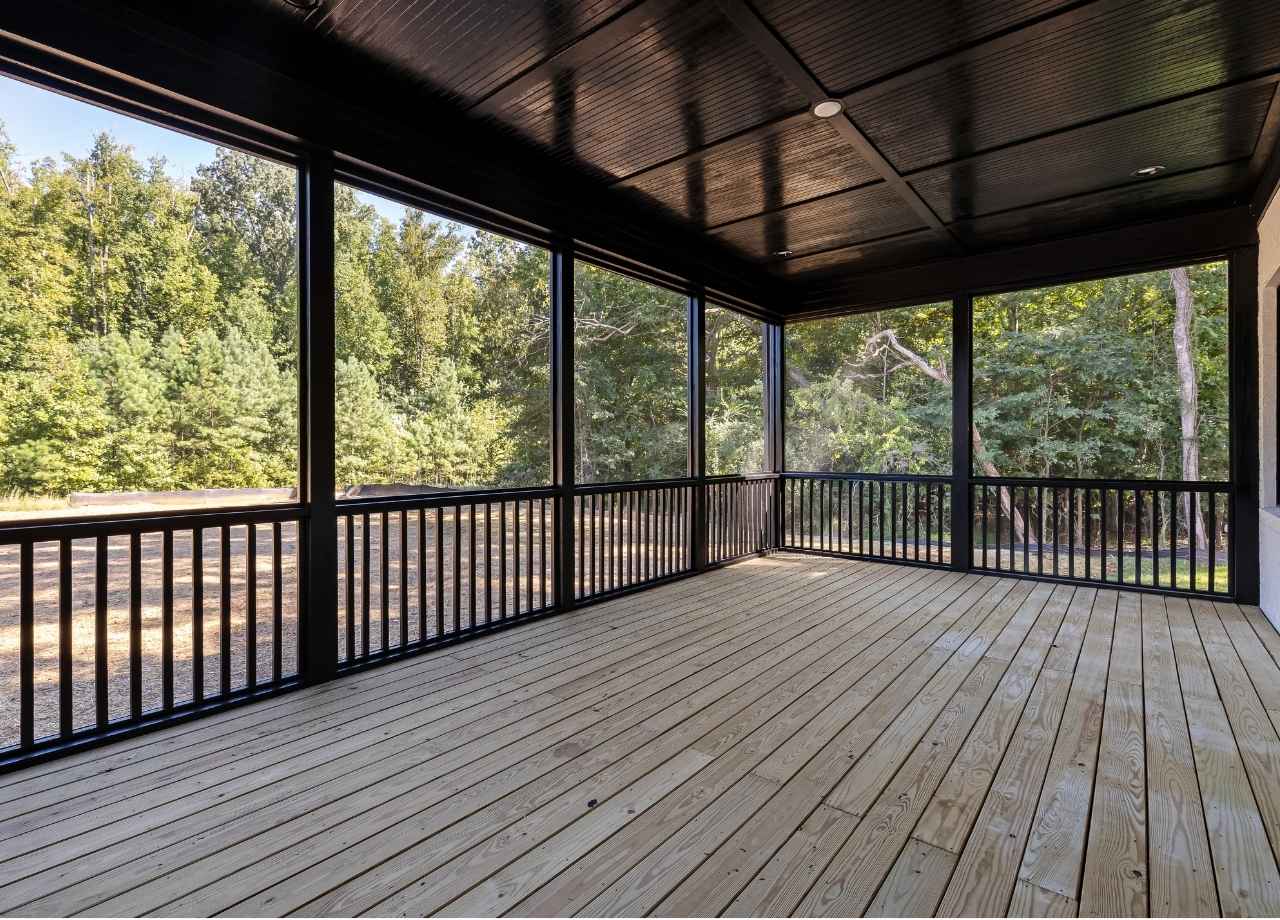
The lumber itself makes a difference. Pressure-treated boards can arrive with varying moisture levels depending on when they were treated, how they were stored, and the conditions during transportation. Kiln-dried-after-treatment lumber, commonly identified as KDAT, has already undergone an additional drying process and may be suitable for finishing much sooner. Some manufacturers recommend sealing KDAT lumber promptly unless it already contains a water-repellent additive.
This variation is why we recommend judging readiness through testing rather than relying exclusively on installation date.
Use the Water Test Before Sealing a New Deck
One of the easiest ways to determine if a new deck is ready for sealer is the water absorption test. Sprinkle several drops of clean water onto the surface and watch how the wood reacts.
If the water forms beads and remains on top, the lumber may still contain too much moisture or may retain water-repellent properties from treatment. Give the deck additional drying time and repeat the test later. If the droplets readily soak into the wood, the surface is generally more receptive to a penetrating finish. This basic test is also recommended by treated-wood industry guidance.
Do not test a single board and assume the entire deck is ready. Check several locations, including sunny boards, shaded sections, stair treads, and areas near the house. Different portions of the same structure can dry at different rates.
For greater precision, a moisture meter can provide useful information about the moisture content within the boards. Compare those readings with the limits specified by the manufacturer of your chosen sealer or stain.
Weather Conditions Matter on Sealing Day
Dry lumber is only part of the equation. Application weather can have a major effect on the quality and longevity of the finish.
Choose a period with stable, dry conditions and temperatures within the sealer manufacturer’s recommended application range. Avoid applying a finish when rain is expected before the product has had enough time to dry or cure. High humidity can also slow drying.
Direct midday sunlight can create another problem. Deck boards exposed to intense sun may become much hotter than the surrounding air. A product applied to an excessively hot surface can dry too quickly, making uniform penetration and coverage difficult.
Maryland and Washington, D.C. experience humid summers, periods of heavy rainfall, cold winters, and considerable seasonal temperature changes. Planning deck sealing around a suitable weather window helps the finish perform as intended rather than forcing the project into unfavorable conditions.
Does a New Deck Need Cleaning Before Sealing?
New does not necessarily mean ready to coat. Construction dust, dirt, footprints, pollen, surface residue, and other contaminants can accumulate before the deck receives its protective finish.
Inspect the surface closely before sealing. Light cleaning may be appropriate to create an even surface, especially when the deck has remained unfinished for several months. Any cleaning products used should be suitable for the lumber and compatible with the intended sealer.
After washing, allow the deck to dry again. Applying sealer shortly after soaking the boards defeats the purpose of waiting for appropriate moisture conditions.
Surface preparation also gives you an opportunity to inspect the deck for rough fibers, stains, fastener issues, or areas that need light sanding. Proper preparation often determines how polished and consistent the finished deck looks.
What Happens If You Seal a New Deck Too Soon?
Rushing the sealing process can compromise the finish you purchased to protect the wood. Excess moisture can interfere with penetration, adhesion, and drying.
The result may appear as uneven coloration, cloudy areas, peeling, premature wear, or sections that never develop the intended finish. Correcting a failed coating can require cleaning, stripping, sanding, and refinishing, turning a preventable timing issue into a larger maintenance project.
Trapped moisture may also continue moving through the lumber as environmental conditions change. A quality penetrating deck product needs the opportunity to enter receptive wood fibers and cure according to its specifications.
Waiting until the deck is ready is usually easier and less expensive than correcting a finish that was applied prematurely.
Can You Wait Too Long to Seal a New Deck?
Giving a deck time to dry is important, but leaving bare wood exposed indefinitely is not ideal. Sunlight, precipitation, dirt, and regular use begin affecting unfinished wood from the day it is installed.
Extended ultraviolet exposure can cause the surface to fade or turn gray. Repeated wetting and drying can contribute to checking, raised grain, and other signs of weathering. An older unfinished surface may require additional cleaning and preparation before it can be sealed successfully.
This is another reason fixed rules like “always wait six months” can be misleading. If the lumber becomes receptive much sooner, delaying protection for months without a material-specific reason may offer little benefit.
Monitor the wood, perform water tests periodically, and select an appropriate finishing window once the surface is ready.
Sealer or Stain: Which Is Better for a New Deck?
A clear or lightly tinted sealer emphasizes the natural character of the wood while adding water repellency. A deck stain adds pigment, which can provide additional protection from ultraviolet exposure while changing or enriching the color.
Semi-transparent stains are popular when homeowners want visible wood grain with added color. More opaque finishes provide stronger color coverage but change the natural appearance considerably.
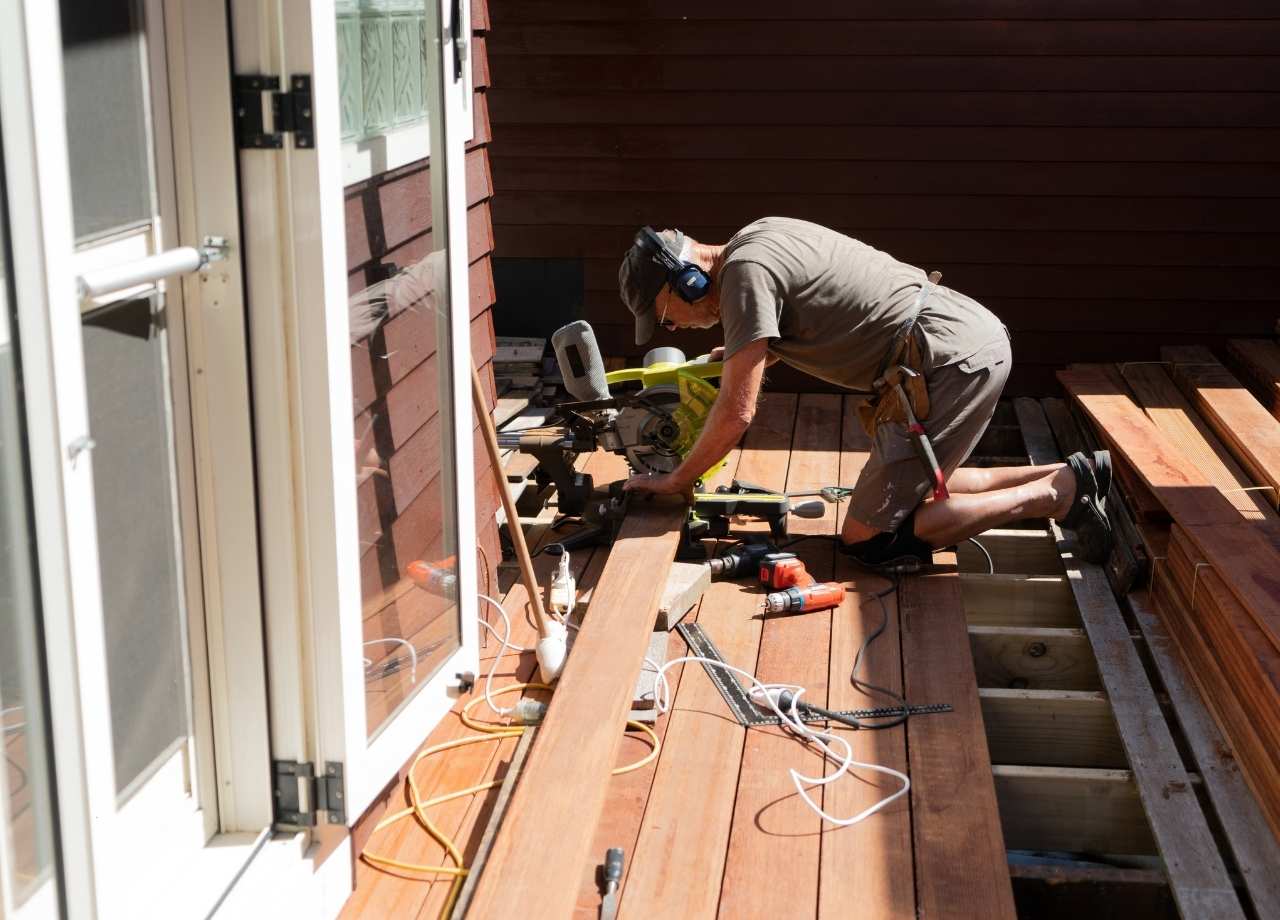
Product selection should account for the wood species, desired appearance, sun exposure, maintenance expectations, and manufacturer requirements. No finish performs well when installed over improperly prepared or excessively wet lumber.
Whatever product you choose, follow its instructions carefully. Application temperature, drying time, surface preparation, number of coats, and acceptable moisture levels can vary significantly between products.
When Is the Best Time to Seal a New Deck in Maryland or Washington, D.C.?
Spring and fall can provide favorable sealing conditions when temperatures are moderate and several dry days are available. Summer can also work well, particularly when application is scheduled away from extreme heat and intense direct sunlight.
The installation date still matters. A pressure-treated deck completed late in the fall may not become ready before winter conditions arrive. In that situation, waiting for a suitable spring weather window can produce a better finish than trying to seal damp lumber during cold or unstable weather.
A deck installed during spring may reach suitable moisture conditions during early or midsummer. Regular testing provides a much stronger basis for scheduling than selecting a date months ahead and assuming the lumber will be ready.
Protect Your New Deck at the Right Time
So, when should you seal a new deck? Seal it when the wood has dried sufficiently, readily accepts water during an absorption test, meets the requirements of your chosen finishing product, and has a favorable stretch of application weather ahead.
For pressure-treated lumber, that point can arrive within several weeks or take a few months. Lumber type, treatment method, shade, airflow, rainfall, humidity, and temperature all influence the schedule. The manufacturer’s instructions for the lumber and finishing product remain essential references.
A well-built deck deserves equally careful protection. Giving new wood enough time to stabilize, preparing the surface correctly, and applying a suitable sealer under proper conditions can preserve its color, texture, and character while reducing avoidable maintenance. Thoughtful timing protects the craftsmanship already invested in your deck and helps create an outdoor space that continues to look refined through Maryland and Washington, D.C.’s changing seasons.
Learn more about how to get started: