
Walls and ceilings may seem like simple parts of a home, yet their condition often reveals much more about what is happening behind the finished surface. In Washington, DC homes, cracks, stains, nail pops, bubbling paint, and uneven drywall can develop from moisture, normal building movement, aging materials, previous repairs, or installation problems. Older rowhouses and historic properties can add another consideration because some interiors contain traditional plaster alongside newer drywall.
At Exquisitely Renovated LLC, we approach drywall problems by looking beyond the visible blemish. Our drywall repair and interior renovation work throughout Washington, DC and the surrounding area begins with identifying why damage occurred, since a beautiful patch will not last if the source remains unresolved. A careful diagnosis helps protect the finish, the surrounding materials, and the homeowner’s investment.
Some drywall issues are cosmetic and relatively straightforward to correct. Others can point to water intrusion, loose materials, or movement within the building. Knowing the difference helps homeowners choose a repair that lasts instead of repeatedly covering the same problem.
Why Drywall Problems Are Common in Washington, DC Homes
Washington has a large inventory of older homes, including rowhouses that have been repaired, remodeled, and updated many times. In some properties, modern gypsum board may sit beside or over older plaster systems. Plaster was the dominant interior wall finish before modern drywall became widespread, so homeowners renovating older properties may encounter several wall systems within a single house.
Age alone does not cause every crack or damaged surface. Buildings move slightly as materials respond to temperature, humidity, loading, and changes made during previous renovations. Small imperfections can become visible where panels meet, around openings, or near transitions between different materials.
Water is another major concern. Roof leaks, plumbing failures, exterior masonry problems, foundation moisture, and condensation can damage interior wall finishes. National Park Service preservation guidance notes that persistent moisture can weaken plaster and other finishes, and that the moisture source should be corrected before damaged areas are refinished.
Drywall Cracks Around Doors, Windows, and Ceilings
Cracks are among the most common wall complaints we encounter. A thin crack at a drywall joint may develop when joint compound or tape loses its bond. Cracks can also appear near doors and windows, where openings create natural stress points in the wall assembly.
Minor, stable cracks can often be repaired by removing loose material, reinforcing the affected joint when needed, applying appropriate joint compound, feathering the repair, sanding it smooth, priming, and repainting. Simply filling a recurring crack with a thin layer of compound may produce a clean appearance for a short period, but movement underneath can cause the line to return.
Pay closer attention to cracks that grow wider, repeatedly reopen, appear suddenly, or occur alongside sticking doors, uneven floors, or other signs of movement. Larger cracks can be associated with movement of the building or supporting materials. Preservation guidance recommends addressing structural causes before repairing finishes when significant movement is responsible for cracking.
Nail Pops and Screw Pops
A small circular bump pushing through paint is often a nail or screw pop. These blemishes occur when a fastener no longer sits properly below the drywall surface or when movement between framing and drywall makes the fastener visible.
The proper repair requires more than covering the bump with compound. The loose fastener should be evaluated and secured appropriately, and an additional drywall screw may be needed to stabilize the board against the framing. The damaged surface can then be filled, feathered, sanded, primed, and painted.
Several pops appearing together deserve closer attention. They may indicate installation problems or movement in the assembly. Looking at the pattern of damage helps determine if the issue is an isolated cosmetic defect or part of a larger problem.
Water Stains and Moisture-Damaged Drywall
Brown or yellow ceiling stains should never be treated as paint problems alone. A stain can indicate a roof leak, plumbing leak, bathroom moisture issue, condensation, or water entering through the exterior envelope.
The source must be identified and corrected before drywall restoration begins. Painting over damp or compromised material can hide evidence temporarily, yet deterioration may continue behind the surface. Moisture can travel along building materials, pipes, and concealed spaces, meaning the visible stain may not sit directly beneath the original leak.
Once the source has been corrected, the damaged area should be assessed. Drywall that remains structurally sound may sometimes be dried, prepared, sealed with a suitable stain-blocking primer, and refinished. Material that is soft, swollen, sagging, crumbling, or otherwise compromised may require removal and replacement.
This principle is especially important in older masonry homes. Water can enter through deteriorated exterior materials and affect interior finishes. The National Park Service has documented how persistent water infiltration can weaken the bond between interior plaster and its supporting surface.
Bubbling, Peeling, or Blistering Paint
Paint that bubbles or peels away from drywall is often telling you that the surface beneath it needs attention. Moisture, poor surface preparation, incompatible coatings, contamination, or previous repairs can all contribute.
A lasting repair begins by determining why the coating failed. Loose paint should be removed, damaged compound repaired, and the surface properly prepared before primer and finish paint are applied. If moisture caused the failure, painting should wait until the source has been corrected and the affected materials are sufficiently dry.
This is one reason surface preparation matters so much during remodeling. Paint can make a wall look finished, but it cannot compensate for unstable drywall, damp material, loose joint tape, or poorly feathered compound underneath.
Loose or Bubbling Drywall Tape
Drywall tape creates a reinforced connection between adjacent panels. When that tape separates, homeowners may notice bubbles, raised seams, peeling strips, or long straight cracks along walls and ceilings.
Covering loose tape with additional compound rarely provides the best long-term result. Unstable material generally needs to be removed, the joint prepared, and new tape embedded correctly in joint compound. Additional coats are then applied across a progressively wider area so the repaired seam blends into the surrounding wall.
Finishing skill makes a visible difference here. Poorly feathered repairs can remain noticeable after painting, especially when natural light or recessed lighting travels across the wall. A quality repair should disappear into the finished surface rather than create a ridge that becomes more obvious after fresh paint is applied.
Holes, Dents, and Impact Damage
Everyday life is hard on drywall. Furniture can strike walls, door handles can punch through panels, fixtures leave anchor holes, and renovation work can create openings for electrical or plumbing access.
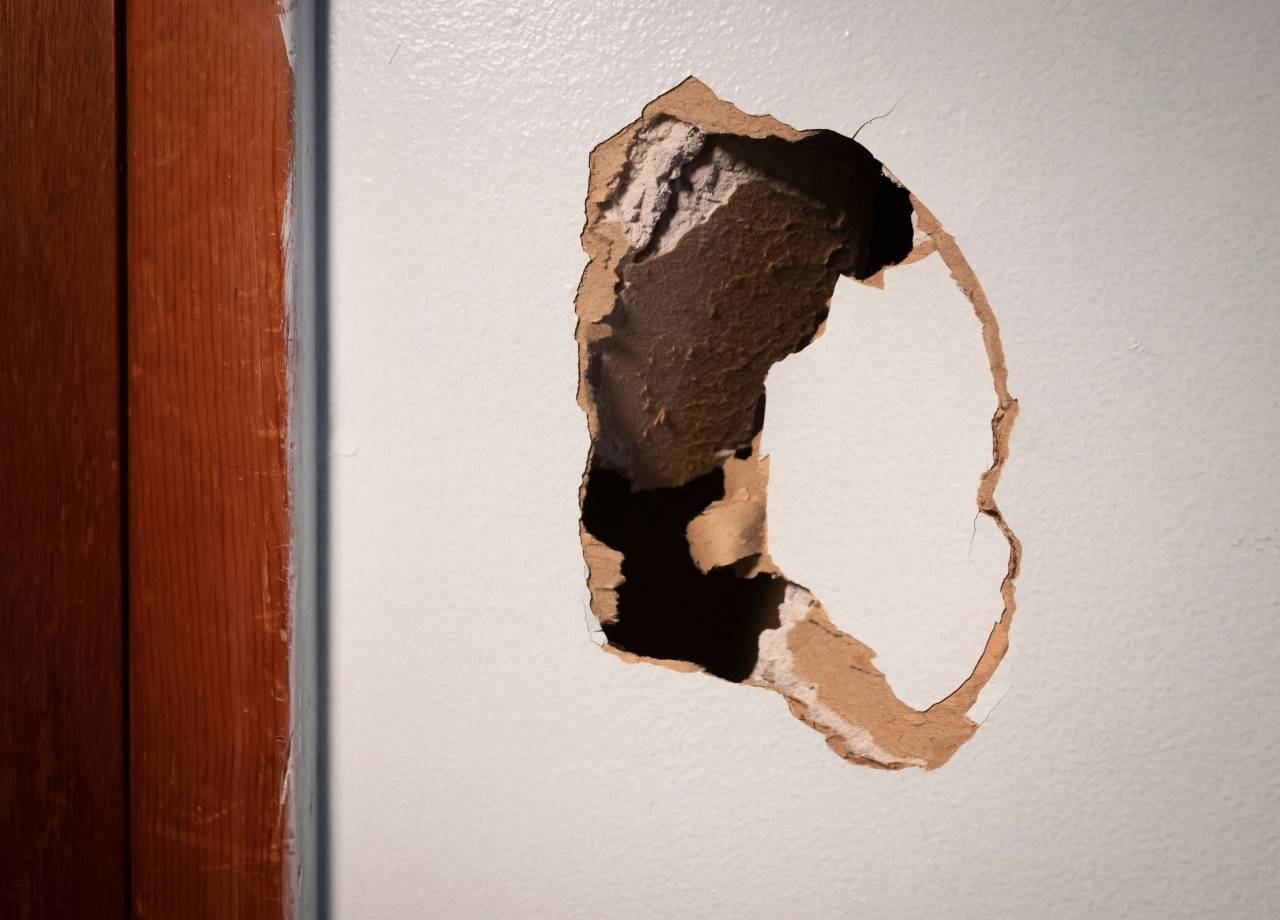
Small holes and dents may require only proper patching and finishing. Larger openings usually require a more substantial repair, which can involve cutting the damaged area into a clean shape, adding support, installing matching drywall, taping the seams, and building up finish coats.
Texture and sheen also affect the final appearance. Even a structurally sound patch can stand out when its surface texture differs from the surrounding wall or when paint is touched up over an aged finish. In highly visible rooms, repainting a larger wall section may create a more uniform result.
Sagging Drywall Ceilings
A sagging ceiling deserves prompt attention. Drywall can sag because of water damage, inadequate fastening, installation issues, or loss of support. The weight of wet material can make ceiling damage especially concerning.
Homeowners should avoid assuming that screws and fresh compound will solve every sagging ceiling. The area should first be evaluated for active moisture and the condition of the supporting materials. Severely damaged or unstable sections may require removal and replacement.
Older Washington homes may contain plaster ceilings rather than conventional drywall. Detached plaster requires different repair methods, and preservation specialists may stabilize sound historic material instead of removing it wholesale. National Park Service guidance supports repair and retention of serviceable historic plaster when practical.
Poor Previous Drywall Repairs
Old repairs often become especially noticeable after new paint is applied. Raised patches, visible tape lines, excessive compound, rough sanding marks, mismatched texture, and flashing paint can turn a small repaired area into a visual distraction.
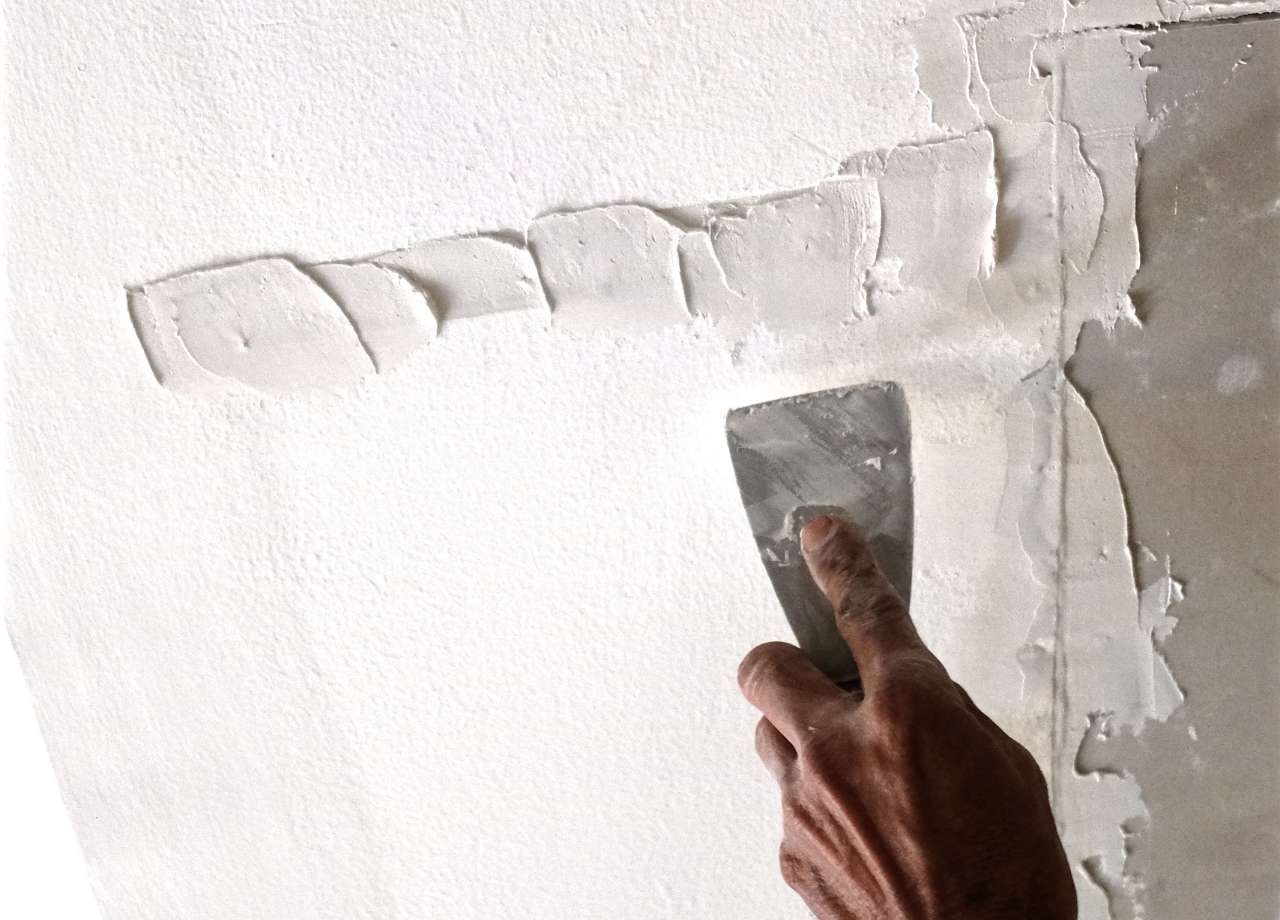
Correcting these defects may require sanding or removing unstable material, widening the feathered area, applying additional finish compound, and preparing the entire surface more carefully. Walls with numerous repairs may benefit from broader skim coating rather than a collection of isolated patches.
The goal is not merely to fill damage. Professional finishing aims to restore a consistent plane so light travels across the wall without highlighting humps, ridges, depressions, or abrupt texture changes.
When Drywall Damage Points to a Bigger Problem
Drywall often acts as an early warning surface. Recurring stains can reveal ongoing moisture. Repeated cracks may indicate movement. Soft areas can signal previous water exposure, and widespread joint failure can suggest installation deficiencies.
Homeowners should pay particular attention when damage changes quickly or returns after repair. Correcting the underlying cause before refinishing can prevent wasted labor and repeated disruption. Washington, DC housing standards also require interior surfaces in applicable housing to be maintained in good, dry, and sanitary condition, addressing defects that include cracks, loose plaster, holes, and water damage.
A qualified contractor can help determine the appropriate scope of repair, and suspected structural, electrical, plumbing, roofing, mold, or other specialized concerns may call for the appropriate trade professional.
Creating Drywall Repairs That Truly Disappear
Successful drywall work is measured by what you do not notice after the project is finished. Joints should feel smooth, patches should blend into surrounding surfaces, corners should remain crisp, and repaired areas should accept primer and paint evenly.
Washington, DC homes have character that deserves careful workmanship. When cracks, stains, damaged seams, holes, or aging wall surfaces appear, addressing the cause and selecting the right repair method can preserve that character while restoring a clean, refined interior. A well-executed drywall repair should provide more than a smoother wall. It should give homeowners confidence that the problem was understood, repaired properly, and finished with lasting attention to detail.
Learn more about how to get started: