
A room can feel tired for many reasons. Faded walls, dated colors, worn trim, awkward layouts, aging cabinets, and inefficient storage can each change how a home looks and functions. The right solution depends on what is causing the dissatisfaction. Sometimes fresh paint restores the character of a space beautifully. In other cases, the room needs physical changes before a new finish can make a meaningful difference.
At Exquisitely Renovated LLC, we approach these decisions by looking beyond surface appearance. Our interior painting and renovation services throughout Maryland and Washington, D.C. give us a close view of how finishes, materials, lighting, layout, and craftsmanship work together. Before choosing between interior painting and remodeling, property owners should identify what they want to improve and how extensively the existing space must change to achieve that goal.
What Interior Painting Can Accomplish
Interior painting is one of the most efficient ways to refresh a home without changing its structure. A carefully selected color can make a compact room feel more open, bring warmth to an underused area, or give older architectural details a cleaner appearance. Walls are highly visible surfaces, so changing their color and condition can influence the atmosphere of an entire room.
Professional painting also addresses issues that homeowners may overlook when focusing primarily on color. Proper preparation can include repairing minor cracks, filling nail holes, smoothing damaged areas, protecting surrounding finishes, priming surfaces, and creating crisp transitions around trim. These details separate a polished result from a quick cosmetic update.
Paint can also help create visual continuity throughout a property. Coordinated colors between hallways, living areas, kitchens, and adjoining rooms can make the interior feel more intentional. For commercial properties, a refined color scheme can support a professional environment and help spaces appear clean, cared for, and consistent.
Painting has limits, however. It cannot correct an inconvenient floor plan, replace deteriorated cabinetry, create storage, modernize electrical features, or repair serious underlying damage. Recognizing those limits helps prevent spending money on a cosmetic improvement when the real concern requires construction.
When Remodeling Is the Better Choice
Remodeling becomes appropriate when the problem involves function, structure, materials, or permanent fixtures. A kitchen with inadequate storage may still feel frustrating after receiving beautiful new wall colors. A bathroom with an inefficient layout will continue to create daily inconvenience if only its walls are repainted.
A renovation can change how people actually use a space. Cabinetry can be replaced, lighting can be repositioned, flooring can be updated, walls may be altered where appropriate, and fixtures can be selected to better support everyday routines. These changes require greater planning and investment, yet they can solve problems that surface improvements cannot reach.
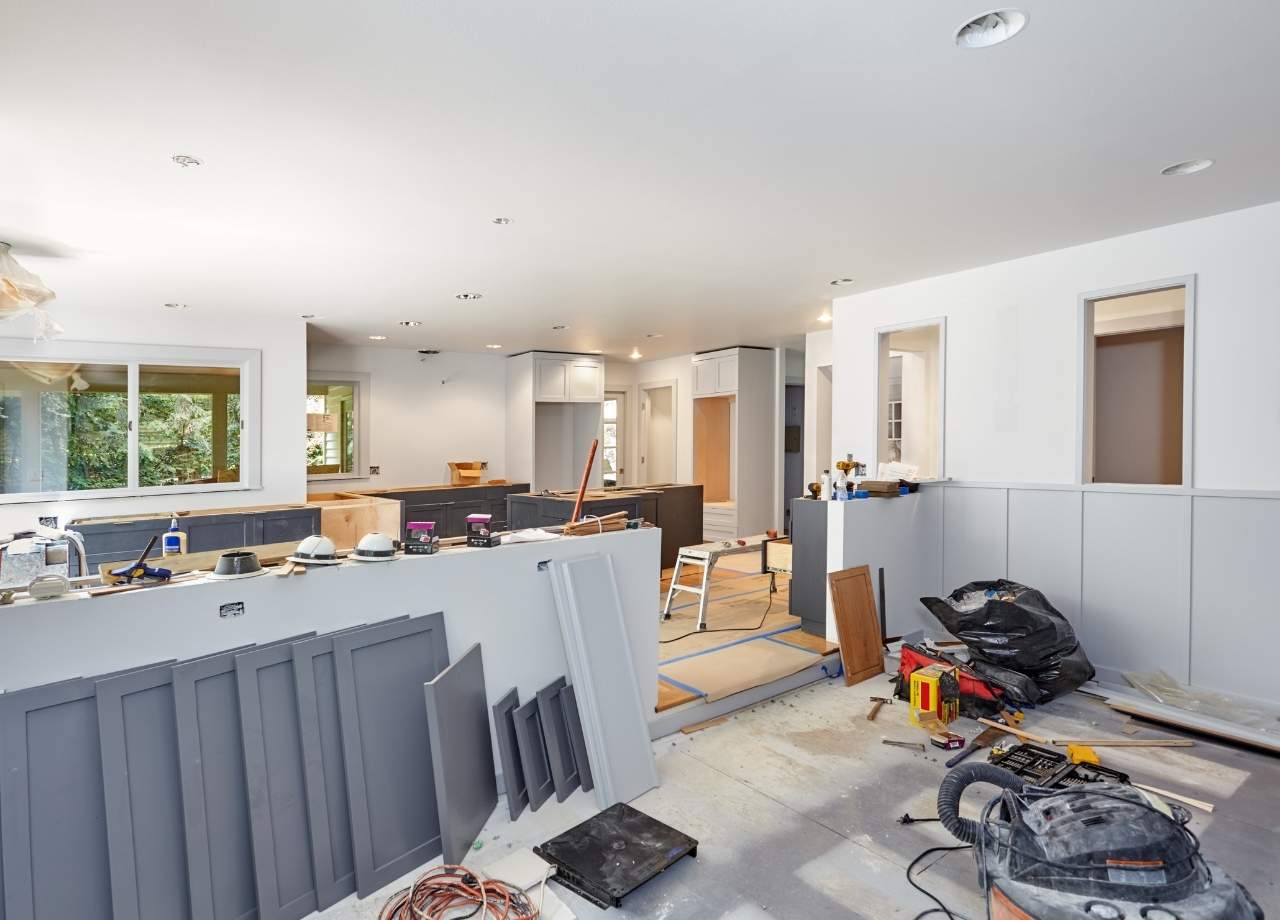
Remodeling also creates opportunities to coordinate finishes from the beginning. Paint colors can be selected alongside countertops, tile, flooring, cabinetry, hardware, and lighting instead of being treated as an isolated decision. This produces rooms that feel deliberate, balanced, and visually connected.
Property condition matters as well. Water damage, failing materials, damaged drywall, outdated fixtures, or worn surfaces may indicate that a deeper renovation is appropriate. Covering visible symptoms without addressing their source can lead to repeated repairs and unnecessary expense.
Comparing Cost and Project Scope
Cost is often one of the strongest factors behind the interior painting vs. remodeling decision. Painting generally requires a smaller investment because the work focuses primarily on preparation and finishing existing surfaces. Remodeling may involve demolition, new materials, skilled trades, installation, construction, and several stages of finishing.
Price alone should not determine the decision. The better question is what the investment needs to accomplish. Paying for paint when a room fundamentally fails to meet your needs can postpone a renovation without solving the original problem. Committing to extensive construction when the layout already works well can create unnecessary expense.
Scope should match the condition and purpose of the room. If walls are worn but cabinetry, flooring, lighting, and layout remain attractive and functional, painting may provide excellent value. If several major elements feel dated or inconvenient, coordinating those improvements through a renovation may be more practical than completing separate projects over several years.
Long-term plans also deserve consideration. Owners preparing to remain in their property for many years may place greater value on personalized improvements. Someone preparing a property for sale may prefer focused updates that improve presentation without undertaking construction that cannot be fully enjoyed or recovered.
How Disruption Differs Between Painting and Remodeling
Project disruption is another meaningful difference. Interior painting usually has a shorter schedule and requires less interference with daily routines. Furniture may need to be moved or protected, rooms can temporarily become unavailable, and drying time must be respected, but the overall interruption is typically manageable.
Remodeling requires more coordination. Depending on the project, homeowners may temporarily lose access to a kitchen, bathroom, office, or other important area. Demolition, deliveries, installation work, inspections, and finishing stages can extend the schedule.
Good planning reduces unnecessary inconvenience. We believe homeowners should understand the expected sequence of work, access requirements, material selections, and likely schedule before construction begins. A carefully organized project creates greater confidence and helps clients prepare their households or businesses for each stage.
The additional disruption of remodeling can be worthwhile when the completed space significantly improves daily living. The important consideration is matching the scale of inconvenience to the value of the changes being made.
Signs That Interior Painting May Be Enough
Painting is often the right choice when the room functions well but looks dated, dull, or disconnected from the rest of the property. Scuffed walls, old color choices, patched areas, stained ceilings, or worn trim can make an otherwise attractive room appear neglected.
It can also be useful after smaller improvements. New lighting, updated furnishings, refinished floors, or new window treatments may change the visual balance of a room enough that existing wall colors no longer feel appropriate. Fresh paint can tie those elements together without requiring construction.
Homeowners should evaluate the room after removing temporary distractions from the decision. If the layout works, storage is sufficient, permanent materials remain in good condition, and the primary concern is appearance, painting deserves serious consideration. A restrained project can sometimes produce the precise improvement the space needs.
Signs That Remodeling Makes More Sense
Persistent functional complaints are strong indicators that remodeling should be considered. Limited counter space, poor storage, inadequate lighting, cramped circulation, outdated showers, damaged flooring, and inefficient room arrangements cannot be solved with color.
Another sign is the desire to replace several permanent finishes simultaneously. Once cabinetry, countertops, flooring, fixtures, or tile are being replaced, the project has moved beyond a simple decorative refresh. Planning those components together usually creates better visual consistency and reduces the risk of making selections that compete with one another.
Age can also influence the decision. Older homes often contain layers of previous updates completed at different times. One room may include relatively new flooring alongside dated cabinets, aging trim, and poorly repaired walls. A coordinated remodel can unify these disconnected elements and give the space a more finished identity.
Painting Often Belongs Inside a Remodeling Project
Painting and remodeling should not always be viewed as competing choices. Interior painting is frequently the finishing stage that completes a renovation. New drywall, cabinetry, flooring, trim, tile, and fixtures establish the physical character of a room, then carefully chosen paint helps connect those materials visually.
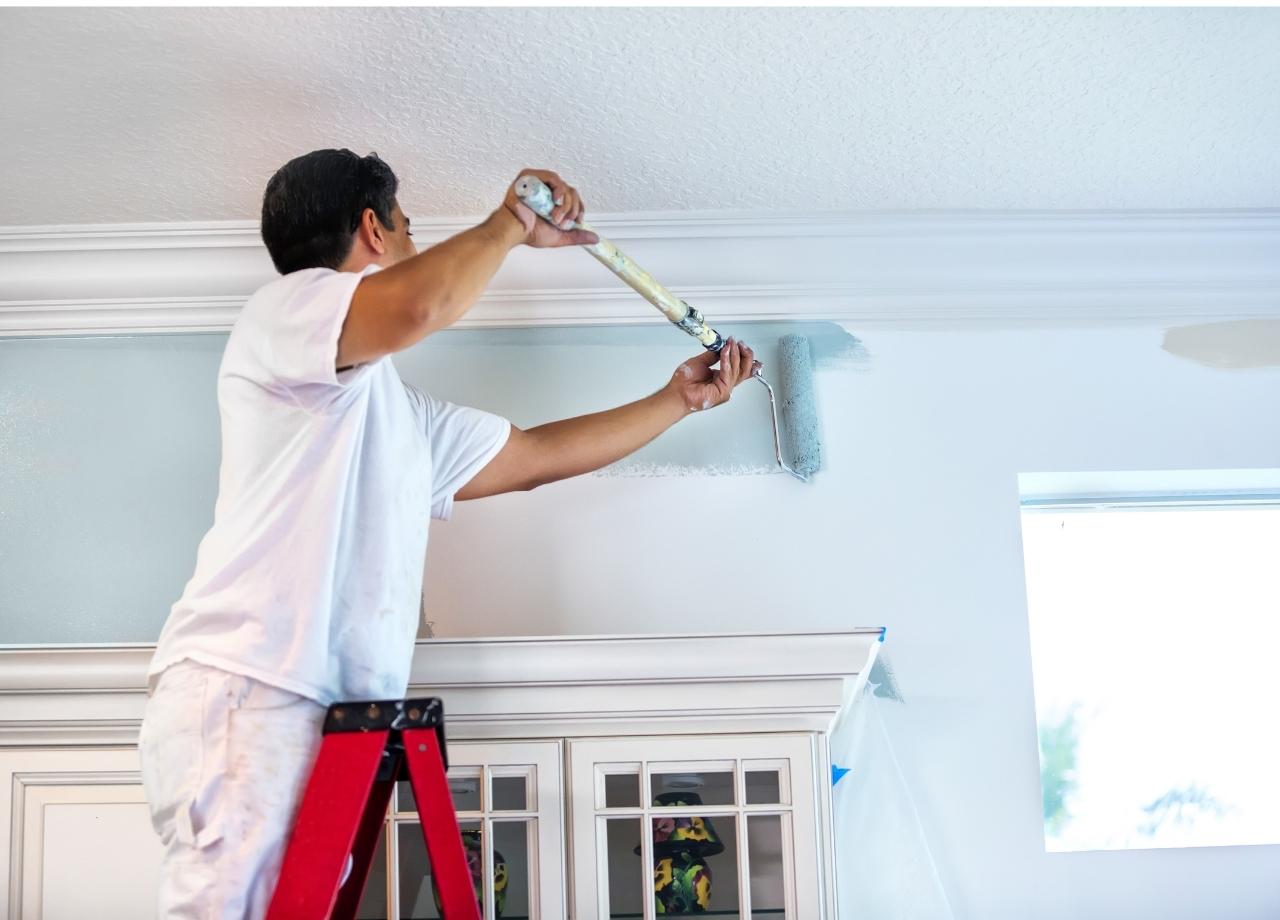
The timing of painting matters. Completing finish work in the proper sequence helps protect new materials and allows repairs, sanding, priming, and coating to be handled efficiently. Color selection also benefits from having confirmed material samples available. Cabinet finishes, countertop tones, flooring undertones, and natural light can all influence how a paint color appears.
This is one reason coordinated renovation planning is valuable. Each decision supports the finished room rather than being made independently.
Making the Right Decision for Your Property
Start with the problem you are trying to solve. If you want a cleaner, brighter, more current appearance and already enjoy the room’s function, interior painting may be the most sensible investment. If you regularly struggle with layout, storage, fixtures, damaged materials, or outdated permanent features, remodeling is more likely to deliver lasting satisfaction.
Quality should guide either choice. Careful preparation is essential for beautiful paintwork, just as thoughtful planning and skilled installation are essential for renovation. Shortcuts tend to reveal themselves through uneven finishes, premature wear, awkward transitions, and details that never feel fully resolved.
At Exquisitely Renovated LLC, we believe successful improvements begin with understanding what a space genuinely needs. The best project is not automatically the largest one. It is the one that addresses the right problems, respects the property, and leaves the homeowner or business owner with a space that feels polished, functional, and built to be enjoyed for years.
Learn more about how to get started: