
A bathroom remodel is one of the most rewarding home improvement projects you can undertake. A well-designed bathroom enhances comfort, improves functionality, increases property value, and creates a more enjoyable daily routine. At Exquisitely Renovated LLC, we have guided homeowners through bathroom remodeling projects of all sizes, from simple updates to complete redesigns. One of the most common questions we hear is, “What should I expect during the remodeling process?”
The answer depends on the scope of work, the age of the home, and the materials selected. Still, most successful bathroom renovations follow a predictable sequence. Understanding each stage helps homeowners feel more confident, prepare for temporary disruptions, and make informed decisions along the way.
Planning and Defining the Project Goals
Every successful bathroom remodel begins with careful planning. Before demolition starts or materials are ordered, it is important to establish clear goals for the project.
Some homeowners want to modernize an outdated bathroom. Others need better storage, improved accessibility, or a more efficient layout. In many cases, the project combines several objectives. Identifying priorities early helps shape every decision that follows.
During the planning phase, homeowners should consider how the space is used on a daily basis. A primary bathroom may require luxury features and enhanced comfort. A guest bathroom may focus more on durability and ease of maintenance. Families with children often prioritize storage and functionality, while empty nesters may be looking for spa-inspired features that create a relaxing retreat.
A professional remodeling team will evaluate the existing space, discuss goals, and help identify practical solutions that align with the homeowner’s vision and budget.
Design Development and Material Selection
Once the project goals have been established, the design phase begins. This is where ideas start taking shape and homeowners can visualize the finished space.
The design process typically includes selecting fixtures, cabinetry, tile, countertops, lighting, paint colors, and accessories. Layout adjustments may also be discussed if walls, plumbing fixtures, or storage areas are being relocated.
Material selection is one of the most exciting stages of the project. Homeowners have the opportunity to choose finishes that reflect their personal style while ensuring long-term durability.
Popular selections often include:
- Porcelain or ceramic tile for flooring and shower walls
- Quartz countertops for low maintenance and durability
- Frameless glass shower enclosures
- Custom vanities with integrated storage
- Water-efficient faucets and fixtures
- Layered lighting solutions
It is important to finalize materials before construction begins whenever possible. Early selections help avoid delays and allow contractors to coordinate ordering and delivery schedules efficiently.
Permits and Project Preparation
Many bathroom remodeling projects require permits, especially when plumbing, electrical systems, or structural modifications are involved.
Professional contractors typically handle the permitting process on behalf of homeowners. Local building departments review project plans to ensure compliance with current building codes and safety requirements.
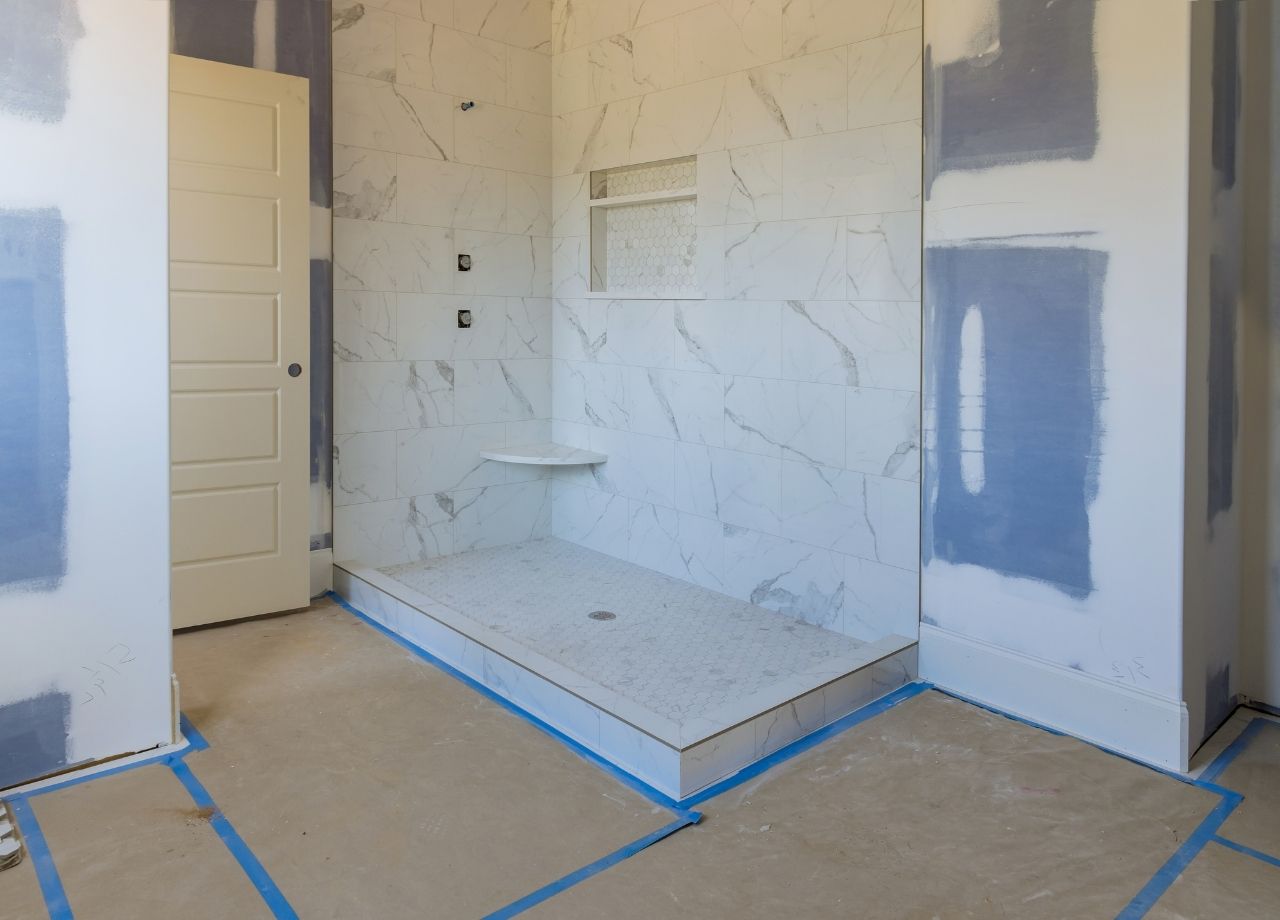
During this stage, project schedules are finalized and preparations begin for construction. Materials are ordered, inspections are coordinated when necessary, and homeowners receive guidance regarding what to expect during the renovation.
Preparation may also involve removing personal belongings from the bathroom and identifying alternate facilities that can be used while construction is underway.
Good preparation creates a smoother remodeling experience and helps minimize surprises once work begins.
Demolition and Removal of Existing Materials
Demolition marks the official start of construction. While this phase can seem dramatic, it is an essential step in preparing the space for its transformation.
Contractors carefully remove existing fixtures, flooring, cabinetry, countertops, and wall finishes according to the project scope. Protective measures are often installed to help contain dust and protect nearby areas of the home.
Depending on the age of the bathroom, demolition may uncover hidden conditions that were not visible during the initial assessment. Water damage, mold, outdated wiring, plumbing deficiencies, or structural issues occasionally emerge once walls and flooring are opened.
When these conditions are discovered, experienced remodeling professionals evaluate the situation and recommend appropriate corrective measures before moving forward. Addressing these issues early helps ensure the long-term integrity of the finished bathroom.
Although demolition can be noisy and messy, it is generally completed relatively quickly compared to other stages of the project.
Structural, Plumbing, and Electrical Work
After demolition is complete, attention turns to the systems hidden behind the walls.
This phase often includes plumbing updates, electrical modifications, ventilation improvements, and any required framing adjustments. If the layout is changing, plumbing lines and drain locations may need to be relocated. New electrical circuits, outlets, lighting fixtures, and switches may also be installed.
Modern bathrooms place greater demands on electrical and ventilation systems than older bathrooms. Homeowners frequently request upgraded lighting, heated flooring systems, exhaust fans, and charging stations that require additional planning and installation.
Proper ventilation deserves special attention. A quality exhaust system helps control humidity, reduces the risk of mold growth, and protects finishes from moisture-related damage.
At this stage, inspections may be required before walls can be closed. These inspections verify that all work complies with local codes and safety standards.
Installing Drywall and Surface Preparation
Once plumbing, electrical, and structural work have been approved, the bathroom begins to look like a finished space again.
New drywall is installed where necessary, and moisture-resistant materials are commonly used in areas exposed to humidity. Wall surfaces are taped, finished, and prepared for painting or tile installation.
Surface preparation plays a major role in the quality of the final result. Properly prepared walls and floors create the foundation for durable finishes and professional craftsmanship.
If tile is being installed in showers, tub surrounds, or flooring areas, waterproofing systems are applied before tile work begins. These protective layers help prevent water intrusion and support long-term performance.
Although much of this work occurs behind the scenes, it is one of the most important phases of the remodeling process.
Tile Installation and Flooring
Tile installation often represents one of the most visually impactful stages of the project.
Whether the design includes a sleek contemporary aesthetic or a timeless traditional style, tile selection contributes significantly to the bathroom’s overall appearance. Floors, shower walls, accent niches, and backsplashes all come together during this phase.
Precision matters tremendously. Proper tile layout, spacing, alignment, and grout application require skill and attention to detail. Small installation errors can become highly visible in finished spaces, which is why experienced craftsmanship is essential.
Depending on the complexity of the design, tile installation can take several days. Intricate patterns, custom shower features, and large-format materials may require additional time to achieve a polished result.
As the tile work progresses, homeowners often begin to see their design vision come to life.
Cabinetry, Countertops, and Fixtures
With major surfaces completed, attention shifts to the installation of permanent features.
Vanities, storage cabinets, countertops, sinks, faucets, toilets, mirrors, and shower enclosures are installed during this stage. These elements define the functionality of the bathroom and contribute heavily to its overall character.
Custom storage solutions have become increasingly popular in modern bathroom design. Homeowners appreciate features that reduce clutter and improve organization without sacrificing aesthetics.
Countertop installation typically follows cabinetry installation. Once countertops are secured, plumbing fixtures can be connected and tested.
As more visible components are added, the bathroom begins to resemble the finished space homeowners have been anticipating.
Painting, Lighting, and Finishing Details
The finishing phase focuses on the details that complete the room.
Walls receive their final coats of paint, light fixtures are installed, hardware is mounted, and accessories are added. Towel bars, robe hooks, shelving, and decorative elements help create a cohesive appearance.
Lighting has a particularly significant impact on the overall feel of a bathroom. Layered lighting strategies often combine ambient, task, and accent lighting to create a comfortable and functional environment.

Professional painters and finish installers pay close attention to clean lines, smooth surfaces, and consistent application. These finishing touches contribute greatly to the polished appearance of the completed renovation.
This stage often feels especially rewarding because the project is visibly nearing completion.
Final Inspections and Quality Assurance
Before the project is considered complete, a thorough review takes place.
Contractors inspect fixtures, plumbing connections, electrical components, tile work, cabinetry, and finish details to ensure everything meets quality standards. Any necessary adjustments are identified and addressed.
Homeowners typically participate in a final walkthrough, providing an opportunity to review the completed work and ask questions about maintenance or operation of new features.
A professional remodeling company treats this stage as an important part of delivering an exceptional client experience. Attention to detail and commitment to craftsmanship remain just as important at the end of the project as they were on the first day.
The goal is not simply to complete construction. The goal is to deliver a bathroom that functions beautifully and meets the homeowner’s expectations for years to come.
How Long Does a Bathroom Remodel Typically Take?
The timeline for a bathroom remodel varies based on project complexity, material availability, permitting requirements, and unforeseen conditions discovered during construction.
A straightforward bathroom renovation may take several weeks, while larger projects involving layout changes, custom features, or structural modifications can require additional time.
One of the most effective ways to maintain schedule efficiency is thorough planning before construction begins. Finalized designs, early material selections, and clear communication all contribute to a smoother process.
Experienced remodeling professionals develop realistic timelines and keep homeowners informed throughout each phase of the project.
A Well-Planned Remodel Creates Better Results
Understanding the bathroom remodeling process helps remove uncertainty and allows homeowners to approach their renovation with confidence. Each phase serves an important purpose, from planning and design to construction and final inspection.
A successful remodel is built on thoughtful preparation, quality materials, skilled craftsmanship, and clear communication. When these elements come together, the result is more than an updated bathroom. It becomes a space that supports daily routines, enhances comfort, and adds lasting value to the home.
At Exquisitely Renovated LLC, we believe informed homeowners make better decisions and enjoy a more positive remodeling experience. Knowing what to expect at every stage helps create a smoother journey and a finished bathroom that feels as beautiful as it is functional.
Learn more about how to get started: