
Basements offer valuable square footage that can serve many purposes, from family rooms and home offices to fitness areas, guest suites, and entertainment spaces. In Washington, DC, and throughout Maryland, homeowners are increasingly investing in basement renovations to maximize the functionality and value of their properties. One of the most important decisions in any basement remodeling project is selecting the right flooring.
Unlike above-grade living spaces, basements face unique moisture-related challenges. Seasonal humidity, groundwater pressure, occasional leaks, and fluctuating temperatures can all affect flooring performance over time. Choosing a flooring material that can withstand these conditions is essential for protecting your investment and maintaining a beautiful, comfortable space.
At Exquisitely Renovated LLC, we have completed numerous basement renovation projects throughout the region. One lesson remains consistent across every project: flooring should never be chosen based on appearance alone. Durability, moisture resistance, and long-term performance are equally important considerations, particularly in below-grade environments.
Why Waterproof Flooring Matters in Basements
Even a basement that appears completely dry can experience moisture issues. Concrete foundation walls and floors naturally absorb and release moisture. Humid summer weather can create condensation, and heavy rainfall can increase groundwater pressure around a home’s foundation.
Traditional flooring materials that perform well upstairs often struggle in basement environments. Hardwood flooring can warp, buckle, or cup when exposed to moisture. Standard laminate products may swell and deteriorate after water exposure. Carpet can trap moisture, creating conditions that encourage mold growth and unpleasant odors.
Waterproof flooring is designed to withstand these challenges. These products resist moisture penetration and maintain their appearance and structural integrity even when exposed to damp conditions. For homeowners planning a basement renovation, selecting waterproof flooring can significantly reduce future maintenance concerns and extend the life of the finished space.
Luxury Vinyl Plank Flooring Remains a Top Choice
Luxury Vinyl Plank, commonly known as LVP, has become one of the most popular flooring materials for basements across Maryland and DC. Its combination of durability, aesthetics, and water resistance makes it an excellent fit for below-grade spaces.
Modern LVP products closely replicate the appearance of natural hardwood, complete with realistic grain patterns and textured surfaces. Many homeowners appreciate the warmth and sophistication of wood-look flooring without the moisture concerns associated with genuine hardwood.
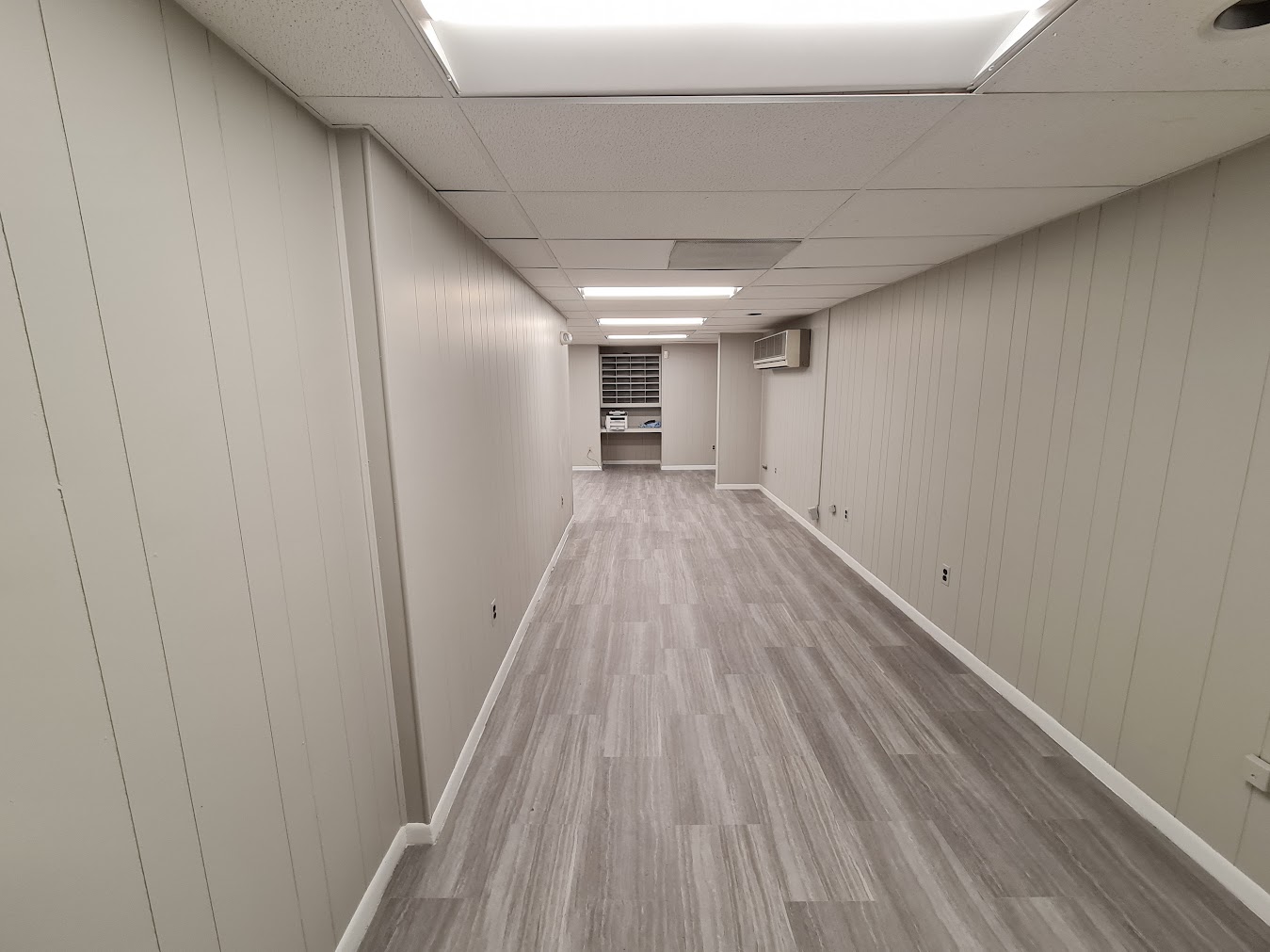
One of the greatest advantages of LVP is its fully waterproof construction. High-quality vinyl planks are designed to resist water damage, making them ideal for basements that may experience elevated humidity levels or occasional water exposure.
LVP also provides a softer and warmer feel underfoot compared to tile. This feature is particularly beneficial in basement environments where concrete subfloors can make spaces feel cool and uninviting.
Installation flexibility is another reason for its popularity. Many luxury vinyl systems can be installed directly over properly prepared concrete subfloors, helping streamline renovation timelines while delivering long-lasting performance.
Porcelain Tile Offers Exceptional Durability
For homeowners seeking maximum water resistance, porcelain tile remains one of the strongest options available.
Porcelain is manufactured at extremely high temperatures, creating a dense material with very low water absorption. This makes it highly resistant to moisture, stains, and everyday wear. Properly installed porcelain tile can perform exceptionally well in basement environments for decades.
The variety of available styles is impressive. Today’s porcelain tiles can mimic hardwood, natural stone, concrete, or contemporary large-format surfaces. This allows homeowners to achieve virtually any design aesthetic while benefiting from superior moisture protection.
Porcelain tile is particularly well suited for finished basements that include bathrooms, wet bars, laundry areas, or other spaces where water exposure may occur.
One consideration is comfort. Tile surfaces can feel cooler underfoot than vinyl products. Many homeowners address this by incorporating area rugs or installing radiant floor heating systems beneath the tile during renovation projects.
When durability is the primary objective, porcelain tile consistently ranks among the best flooring investments for basement spaces.
Waterproof Laminate Has Improved Significantly
Laminate flooring historically carried a reputation for poor moisture performance. Older products often swelled or warped when exposed to water.
Modern waterproof laminate flooring has changed that perception. Manufacturers have developed advanced core technologies and water-resistant locking systems that dramatically improve performance in moisture-prone areas.
Many of today’s waterproof laminate products offer excellent scratch resistance and realistic wood visuals. Homeowners who prefer the appearance and texture of traditional hardwood often find laminate to be an attractive alternative.
Waterproof laminate generally performs best in basements that are properly waterproofed and maintained. While these products can withstand spills and humidity, prolonged standing water should still be avoided whenever possible.
For homeowners seeking a balance between aesthetics, durability, and affordability, waterproof laminate can provide excellent value when installed correctly.
Engineered Vinyl Tile Creates Design Flexibility
Engineered Vinyl Tile, often referred to as EVT or luxury vinyl tile, offers many of the same moisture-resistant benefits as luxury vinyl plank while providing additional design versatility.
Rather than replicating wood flooring, EVT is commonly used to mimic stone, slate, ceramic tile, or polished concrete. This makes it an attractive choice for modern basement designs and contemporary entertainment spaces.
The material is waterproof, highly durable, and comfortable underfoot. Unlike natural stone or ceramic tile, engineered vinyl tile generally requires less maintenance and delivers a slightly softer walking surface.
Many homeowners appreciate the ability to create upscale design aesthetics without the installation complexity and maintenance requirements associated with traditional stone flooring.
In basements that serve as recreation rooms, home theaters, or guest suites, engineered vinyl tile can provide a sophisticated appearance while maintaining practical performance.
Decorative Concrete Flooring Continues to Gain Popularity
Many homeowners overlook one of the most moisture-resistant flooring options already present in their basement: concrete.
Decorative concrete flooring has become increasingly popular in modern basement renovations. Existing concrete slabs can often be stained, polished, or coated to create attractive finished surfaces with remarkable durability.
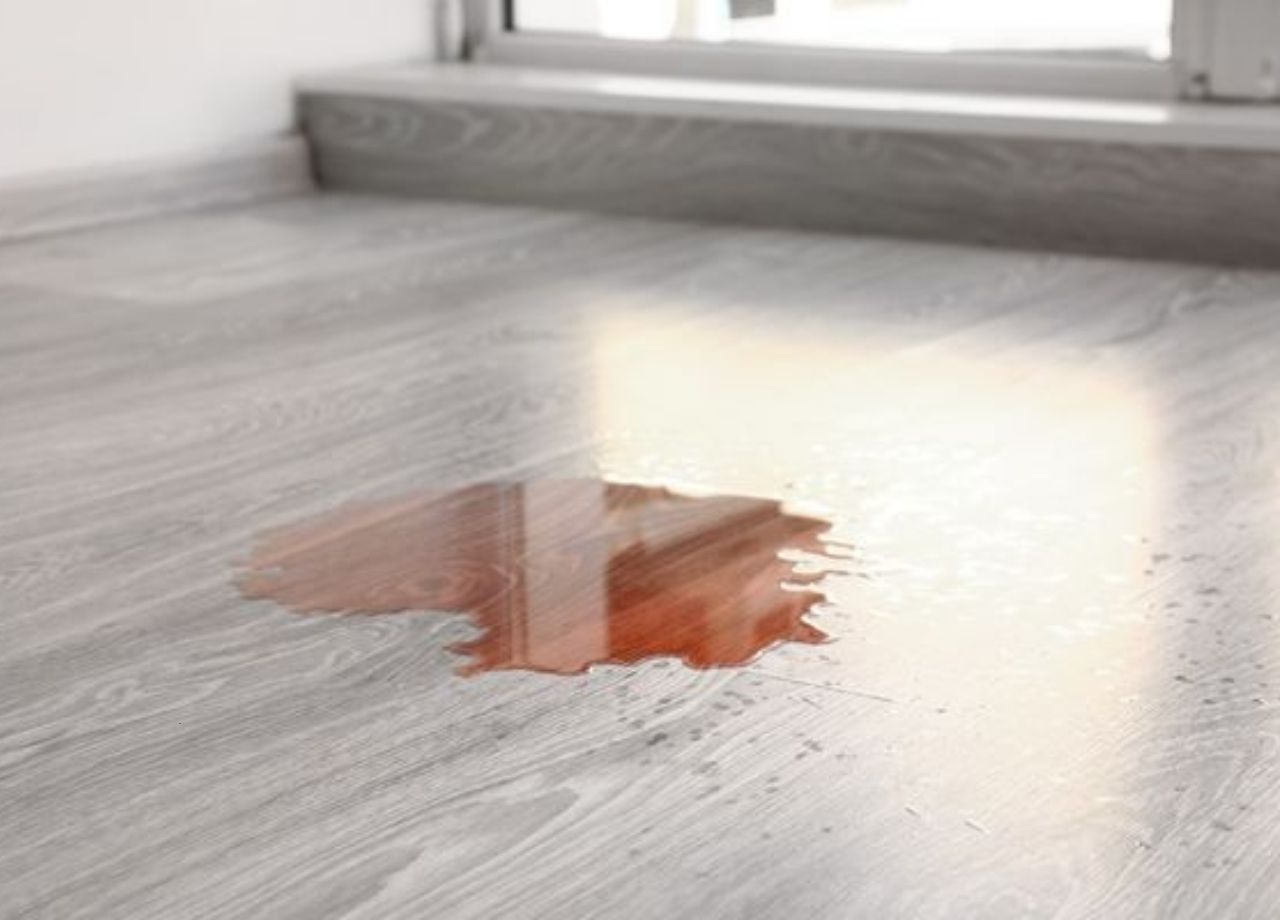
Because the flooring material is the concrete slab itself, there is no risk of warping, swelling, or water-related deterioration. Properly sealed concrete performs exceptionally well in humid environments and requires relatively little maintenance.
Design possibilities have expanded significantly in recent years. Decorative finishes can produce appearances ranging from polished contemporary surfaces to rich earth-toned textures.
Concrete flooring pairs particularly well with industrial, modern, and minimalist design styles. It also works effectively with radiant heating systems, creating a comfortable living environment throughout the year.
For homeowners prioritizing longevity and moisture resistance, decorative concrete deserves serious consideration.
Factors to Consider Before Selecting Basement Flooring
Every basement is unique, and the best flooring choice depends on several project-specific factors.
Moisture conditions should always be evaluated before installation begins. Even waterproof flooring performs best when underlying water issues are addressed first. Foundation cracks, drainage concerns, and excessive humidity should be corrected as part of the renovation process.
The intended use of the basement also influences flooring selection. A home gym may require different performance characteristics than a guest suite or media room. Families with children and pets often prioritize scratch resistance and easy maintenance, while homeowners creating luxury entertainment spaces may place greater emphasis on aesthetics.
Comfort is another important consideration. Some flooring materials naturally feel warmer and softer than others. Homeowners planning to spend significant time in their basement often appreciate flooring that contributes to a welcoming atmosphere.
Budget plays a role as well. While cost should never be the sole deciding factor, understanding the long-term value of each flooring option helps ensure a wise investment.
Working with experienced renovation professionals can help identify the flooring solution that best aligns with both the home’s conditions and the homeowner’s goals.
The Importance of Professional Installation
Even the highest-quality waterproof flooring can underperform if installed incorrectly.
Basement floors require careful preparation before new flooring is installed. Moisture testing, subfloor evaluation, leveling, and proper underlayment selection all contribute to long-term success.
Professional installation helps ensure that expansion gaps, transition details, moisture barriers, and manufacturer requirements are handled correctly. These details may seem minor during construction, but they often determine how well a floor performs years later.
A properly installed waterproof floor not only protects against moisture-related damage but also enhances the comfort, appearance, and functionality of the finished basement.
Choosing the Right Flooring for Long-Term Performance
The best waterproof flooring option for a DC or Maryland basement depends on the specific goals of the project. Luxury vinyl plank offers outstanding versatility and comfort. Porcelain tile provides exceptional durability and water resistance. Waterproof laminate delivers attractive wood visuals at a competitive price point. Engineered vinyl tile supports a wide range of design styles, while decorative concrete offers unmatched longevity and moisture resistance.
The common thread among all successful basement flooring projects is selecting materials specifically designed for below-grade environments. When flooring choices align with local conditions and homeowner needs, the basement becomes a comfortable extension of the home rather than a space vulnerable to moisture-related issues.
A thoughtfully chosen waterproof floor helps create a basement that remains beautiful, functional, and resilient for years to come, allowing homeowners throughout Washington, DC, and Maryland to enjoy every square foot of their investment with confidence.
Learn more about how to get started: