Drywall is one of the most important components of any interior space. It creates the smooth, finished surfaces that define a room while helping support insulation, fire resistance, and overall structural appearance. Small dents, nail pops, and minor cracks are common over time, and many of these issues can be repaired successfully. There comes a point, however, when patching and repainting no longer provide a lasting solution.
At Exquisitely Renovated LLC, we frequently help homeowners evaluate damaged drywalls and ceilings during renovation projects. In many cases, professional drywall repair is all that is needed. In others, the condition of the material has deteriorated to the point where replacement delivers a safer, cleaner, and more durable result.
Understanding the difference between a repairable problem and a replacement-worthy issue can save time, money, and frustration. Knowing the warning signs allows property owners to make informed decisions before damage spreads further throughout the home.
Understanding the Difference Between Drywall Repair and Replacement
Drywall repair is designed to address localized damage. Small holes, minor cracking, surface imperfections, and isolated dents can often be restored without removing large sections of wall. Skilled repairs blend seamlessly into the surrounding surface and extend the life of the existing drywall.
Replacement becomes necessary when the damage affects the integrity of the material itself. Water intrusion, mold growth, severe structural movement, repeated repairs, or widespread deterioration can compromise drywall beyond what patching can realistically solve. When the underlying material has weakened, cosmetic repairs only mask symptoms temporarily.
A proper assessment focuses on the extent of the damage, the condition of the surrounding wall system, and the likelihood of future problems. The goal is not simply to make the wall look better today but to ensure it performs properly for years to come.
Extensive Water Damage Is Present
Water is one of drywall’s greatest enemies. Since drywall contains gypsum covered by paper facing, it absorbs moisture readily. Once water penetrates deeply into the material, significant deterioration can occur.
Stains on ceilings or walls are often the first visible sign of trouble. Homeowners sometimes assume that repainting will solve the issue. Unfortunately, discoloration frequently indicates deeper damage hidden behind the surface. Soft spots, sagging sections, bubbling paint, and swollen drywall panels often accompany long-term moisture exposure.
When drywall becomes saturated, its structural strength decreases dramatically. The material may crumble, warp, or separate from fasteners. Even after the source of the leak has been corrected, the drywall itself may remain compromised.
In these situations, replacement is usually the best course of action. Removing damaged sections allows contractors to inspect framing, insulation, and other hidden components while ensuring that weakened drywall does not continue causing problems.
Mold Growth Has Developed Behind or Within the Drywall
Mold is another major indicator that replacement may be necessary. Moisture trapped inside wall cavities creates ideal conditions for mold colonies to develop. Since drywall contains paper products, it can serve as a food source that encourages growth.
Visible mold on the surface often represents only a small portion of the contamination. Dark spots, musty odors, persistent allergy symptoms, or recurring moisture issues may indicate that mold is present inside the wall assembly.
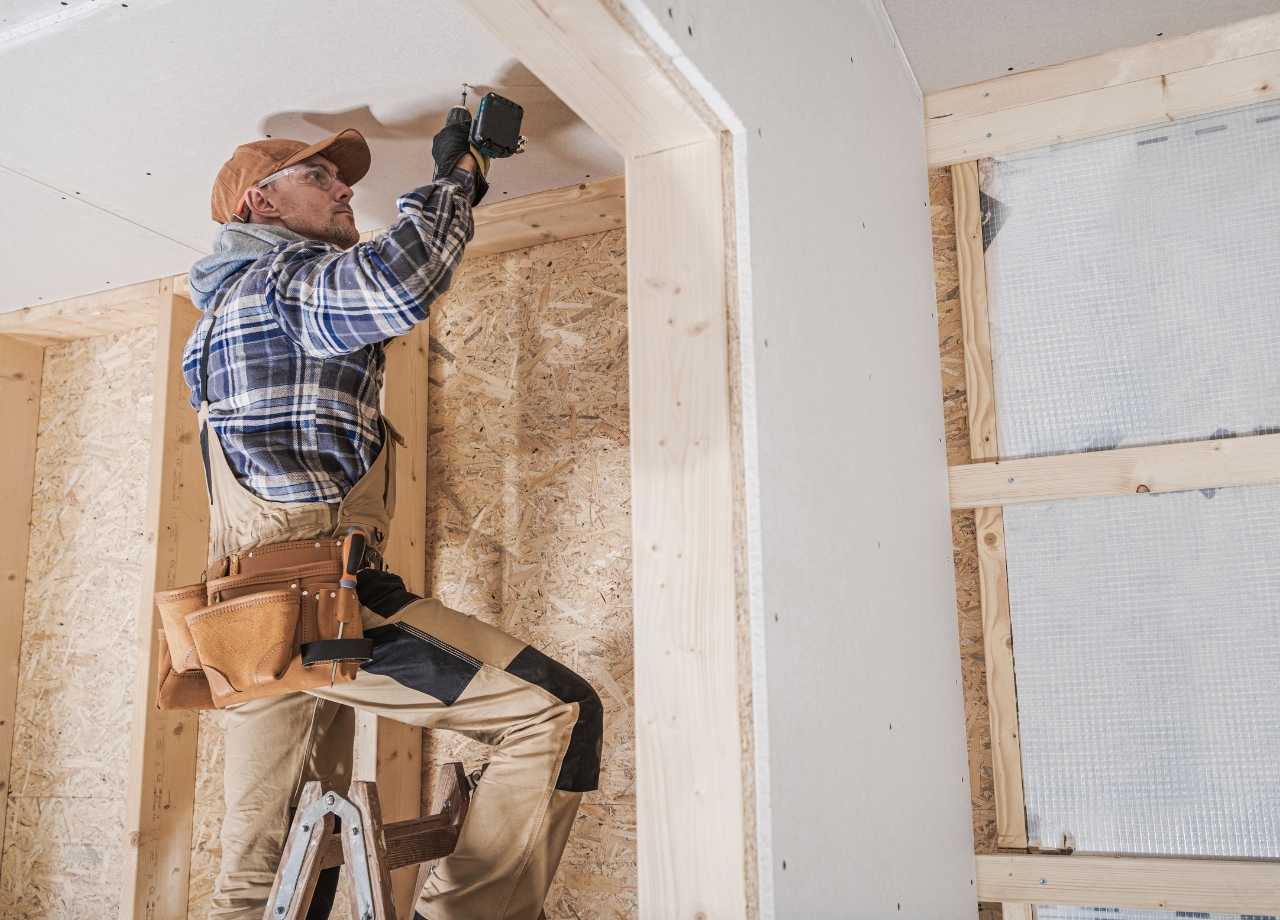
Attempting to repair mold-contaminated drywall can leave affected materials in place, increasing the likelihood of future health and air quality concerns. Once mold penetrates deeply into drywall, removal and replacement are often the safest and most effective solution.
Professional evaluation is especially important when mold covers a large area or has been present for an extended period. Addressing the source of moisture and replacing affected materials helps create a healthier indoor environment.
Large Cracks Continue Returning
Small drywall cracks are relatively common as homes settle over time. These minor imperfections can often be repaired with joint compound, tape, and proper finishing techniques.
Persistent cracks that repeatedly reappear tell a different story. When homeowners find themselves patching the same crack every year, there may be a deeper issue affecting the drywall system.
Repeated movement can weaken joints, damage surrounding materials, and create ongoing cosmetic problems. Large cracks that span multiple walls or ceilings may indicate structural shifting, framing movement, or long-term stress on the drywall.
In some cases, localized replacement is sufficient. In others, extensive cracking throughout a room suggests that replacement offers a more reliable solution than endless repairs. Replacing damaged sections allows contractors to reinforce vulnerable areas and create a stronger finished surface.
The Drywall Feels Soft, Fragile, or Crumbly
Healthy drywall should feel solid and stable. If sections of the wall feel soft when pressed, crumble around fasteners, or break apart easily, the material has likely lost its integrity.
Several factors can contribute to this condition. Water exposure, age, impact damage, pest activity, and repeated repairs may all weaken drywall over time. As deterioration progresses, the material becomes less capable of supporting finishes and maintaining a smooth appearance.
Homeowners often notice that paint begins peeling repeatedly or that small repairs fail shortly after completion. These symptoms indicate that the drywall beneath the surface is no longer providing a stable foundation.
When drywall reaches this stage, replacement generally delivers better long-term value than continued patching. New drywall provides a fresh, durable surface capable of supporting paint, trim, and other finishes properly.
Multiple Layers of Repairs Are Already Present
Many older homes contain walls that have been repaired numerous times over the years. One patch leads to another, and eventually the wall surface becomes uneven, textured, and difficult to finish properly.
Each repair adds additional material to the surface. Over time, excessive patching can create visible inconsistencies that remain noticeable even after painting. Areas may appear wavy, uneven, or poorly blended under certain lighting conditions.
This situation is particularly common in high-traffic spaces where recurring damage has occurred. Living rooms, hallways, stairwells, and finished basements often accumulate years of patchwork repairs.
Replacing heavily patched drywall can restore a cleaner, more uniform appearance. It also allows homeowners to start with a fresh surface rather than continuing to build upon layers of previous repairs.
Sagging or Bowing Walls and Ceilings
Sagging drywall should never be ignored. Ceilings that droop between framing members or walls that appear bowed often indicate significant underlying issues.
Moisture damage is a frequent cause of sagging drywall. Water adds weight to the material while weakening its internal structure. Poor installation practices, inadequate fastening, or aging materials may also contribute to the problem.
Once drywall begins sagging noticeably, repairs rarely provide a lasting fix. The affected material has typically stretched beyond its original capacity and may continue deteriorating even after cosmetic work is completed.
Replacement allows contractors to address the root cause, secure new drywall properly, and restore the smooth appearance that homeowners expect.
Your Home Contains Very Old or Outdated Drywall
Not all drywall products perform equally. Older materials may lack the durability, moisture resistance, and fire-resistant qualities found in modern products.
Homes built several decades ago sometimes contain drywall that has experienced years of environmental stress. Temperature fluctuations, humidity changes, settling, and everyday wear gradually take a toll on wall systems.
Older drywall may become brittle, prone to cracking, and difficult to repair effectively. During major renovation projects, replacement often makes practical sense, especially when walls are already being opened for electrical, plumbing, or insulation upgrades.
Installing new drywall provides a cleaner foundation for modern finishes and helps improve the overall quality of the interior environment.
Pest Damage Has Compromised the Wall System
Insects and rodents can create significant damage behind walls. Termites, carpenter ants, mice, and other pests often leave evidence in the form of holes, tunnels, staining, or weakened materials.
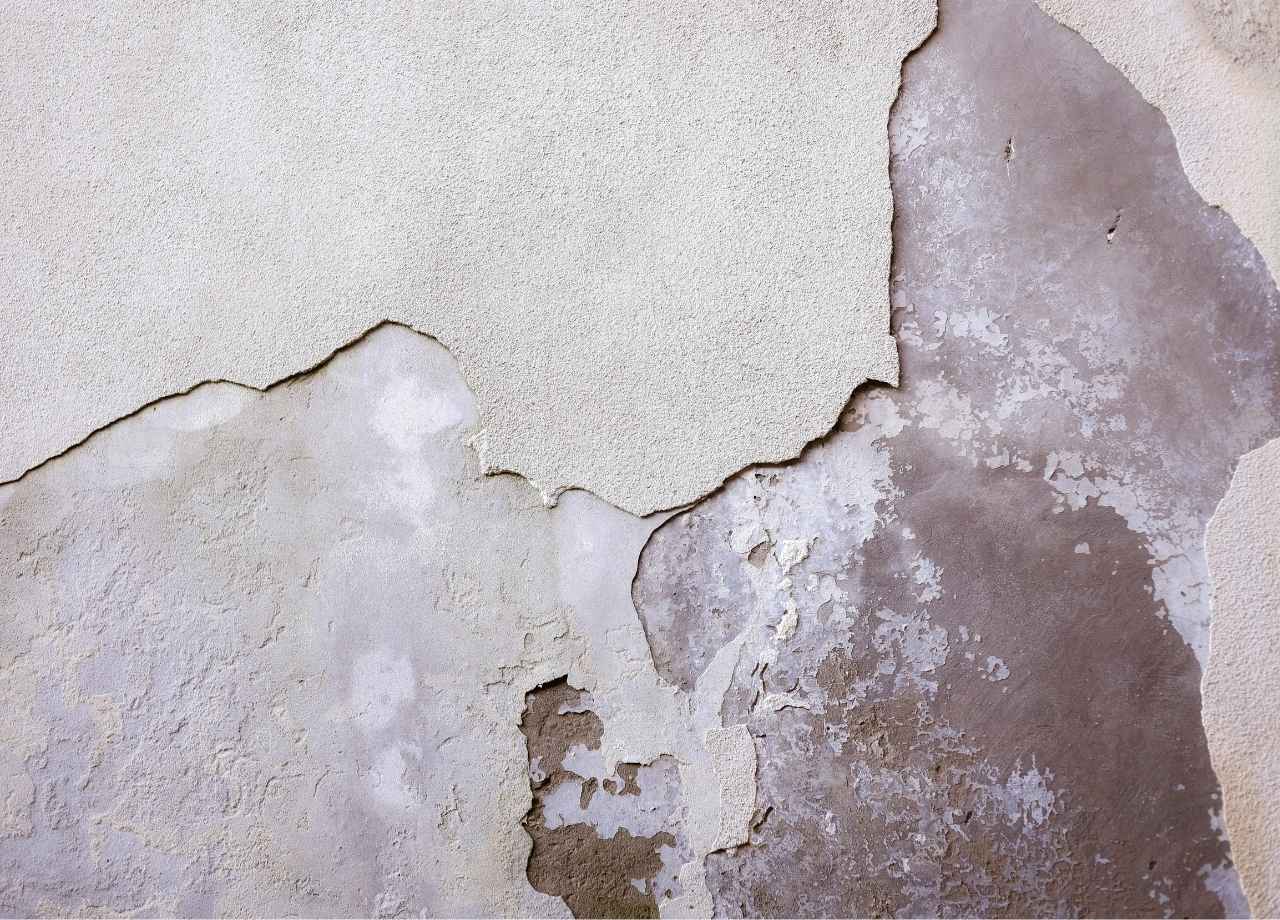
Drywall damaged by pests may appear intact from a distance while concealing extensive deterioration beneath the surface. As the problem progresses, sections of wall can become unstable and increasingly difficult to repair.
Once pest activity has been eliminated, replacing damaged drywall helps restore structural integrity and ensures that hidden damage is fully addressed. Leaving compromised materials in place can create ongoing concerns long after the infestation is gone.
When Replacement Saves Money in the Long Run
Many homeowners hesitate at the thought of replacing drywall because repairs initially appear less expensive. Looking only at immediate costs can be misleading.
Repeated repairs add up over time. Each patch, repainting project, and service visit increases overall expenses. When walls continue developing the same problems, replacement often becomes the more economical choice.
New drywall eliminates recurring issues caused by deteriorated materials. It creates a consistent surface, improves appearance, and reduces the likelihood of future repairs. In many cases, replacement delivers greater value by addressing the root problem rather than treating symptoms repeatedly.
A professional assessment helps determine which option makes the most financial sense based on the condition of the existing walls and ceilings.
Making the Right Decision for Your Home
Drywall plays a critical role in both the appearance and performance of your home. Minor imperfections can often be repaired successfully, but extensive water damage, mold contamination, recurring cracks, sagging surfaces, severe deterioration, and excessive patching frequently signal that replacement is the better solution.
At Exquisitely Renovated LLC, we believe homeowners benefit most from honest evaluations that focus on long-term results. Every wall tells a story, and understanding the condition of the drywall beneath the paint helps determine the most effective path forward.
When replacement becomes necessary, it provides an opportunity to restore strength, improve appearance, and create a smoother foundation for future finishes. Addressing significant drywall issues properly today can prevent larger problems tomorrow while helping your home maintain the comfort, beauty, and quality it deserves.
Learn more about how to get started: