
When homeowners start planning improvements to an outdated bathroom, the words “remodel” and “renovation” often get used interchangeably. From a construction standpoint, however, they describe different levels of work. Knowing the distinction can help you establish a realistic budget, communicate your goals to a contractor, and make better decisions about the finished space.
At Exquisitely Renovated LLC, we approach bathroom renovation and remodeling projects throughout Maryland and Washington, D.C. according to what the room actually needs, rather than relying on terminology alone. A bathroom may simply need refreshed finishes, or it may require a new layout, upgraded plumbing, improved lighting, and entirely new fixtures. Understanding where your project falls can make the planning process much easier.
A successful bathroom project should address appearance, function, durability, and daily comfort. The amount of change required in each of those areas usually determines if the work is better described as a renovation or a remodel.
What Is a Bathroom Renovation?
A bathroom renovation generally improves an existing space without substantially changing its fundamental layout or purpose. The room remains recognizable in terms of where major fixtures are located, but worn, dated, or damaged elements are repaired or replaced.
Renovation work might include installing new flooring, replacing a vanity, updating faucets, refreshing tile, installing a new toilet, improving lighting, painting walls, or replacing an aging bathtub. The objective is usually to restore the bathroom and give it a cleaner, more current appearance.
This type of project can make a significant visual difference. A bathroom with dated tile, poor lighting, an aging vanity, and tired finishes may feel entirely different after those elements are updated, even though the plumbing locations and overall floor plan remain unchanged.
Renovation can be particularly appropriate when the existing layout already works well. Keeping major components in their current locations may reduce construction complexity and allow more of the budget to be directed toward materials, finishes, fixtures, and craftsmanship.
What Is a Bathroom Remodel?
A bathroom remodel usually involves changing the structure, layout, function, or major systems within the room. Rather than simply refreshing what is already there, bathroom remodeling rethinks how the bathroom works.
A remodel could involve moving a shower, relocating a toilet, replacing a bathtub or a walk-in shower, changing plumbing locations, adding storage, modifying walls, or reconfiguring the floor plan. Electrical upgrades, ventilation improvements, waterproofing work, and new lighting plans may also become part of the project.
Consider a primary bathroom with an oversized tub that consumes valuable floor space and a cramped shower tucked into a corner. Replacing finishes alone would improve its appearance, but it would not correct the inefficient use of space. A remodel could remove the tub, create a larger shower, improve storage, and reorganize fixtures to make the room more comfortable.
That greater level of change typically requires more planning and coordination. Plumbing, electrical work, waterproofing, framing, tile installation, cabinetry, and finish work may all need to come together in a precise sequence.
Bathroom Remodel vs. Renovation: The Main Difference
The simplest distinction comes down to the degree of change. Renovation refreshes or restores an existing bathroom, whereas remodeling changes how the space is arranged or functions.
That distinction matters when discussing your project with a contractor. Saying that you want to “renovate” a bathroom may sound straightforward, but your actual plans could include removing walls, relocating plumbing, and building a custom shower. Those requirements place the project much closer to a full remodel.
The terminology itself should never become more important than the scope of work. We prefer to understand how clients use their bathrooms, what frustrates them about the existing space, what they want to preserve, and what needs to change. Those details provide a much stronger foundation for planning.
How Scope Affects Bathroom Remodeling Costs
A renovation will often cost less than a remodel because it tends to preserve more of the existing room. Keeping plumbing fixtures in their current locations can reduce labor and limit the amount of work required behind walls and beneath floors.
A bathroom remodel may carry a higher investment because changes to plumbing, electrical systems, framing, ventilation, waterproofing, or structural elements require additional labor and materials. The size of the bathroom also matters, but square footage alone does not determine cost. A small bathroom with extensive custom work can require more labor than a larger room receiving straightforward finish updates.
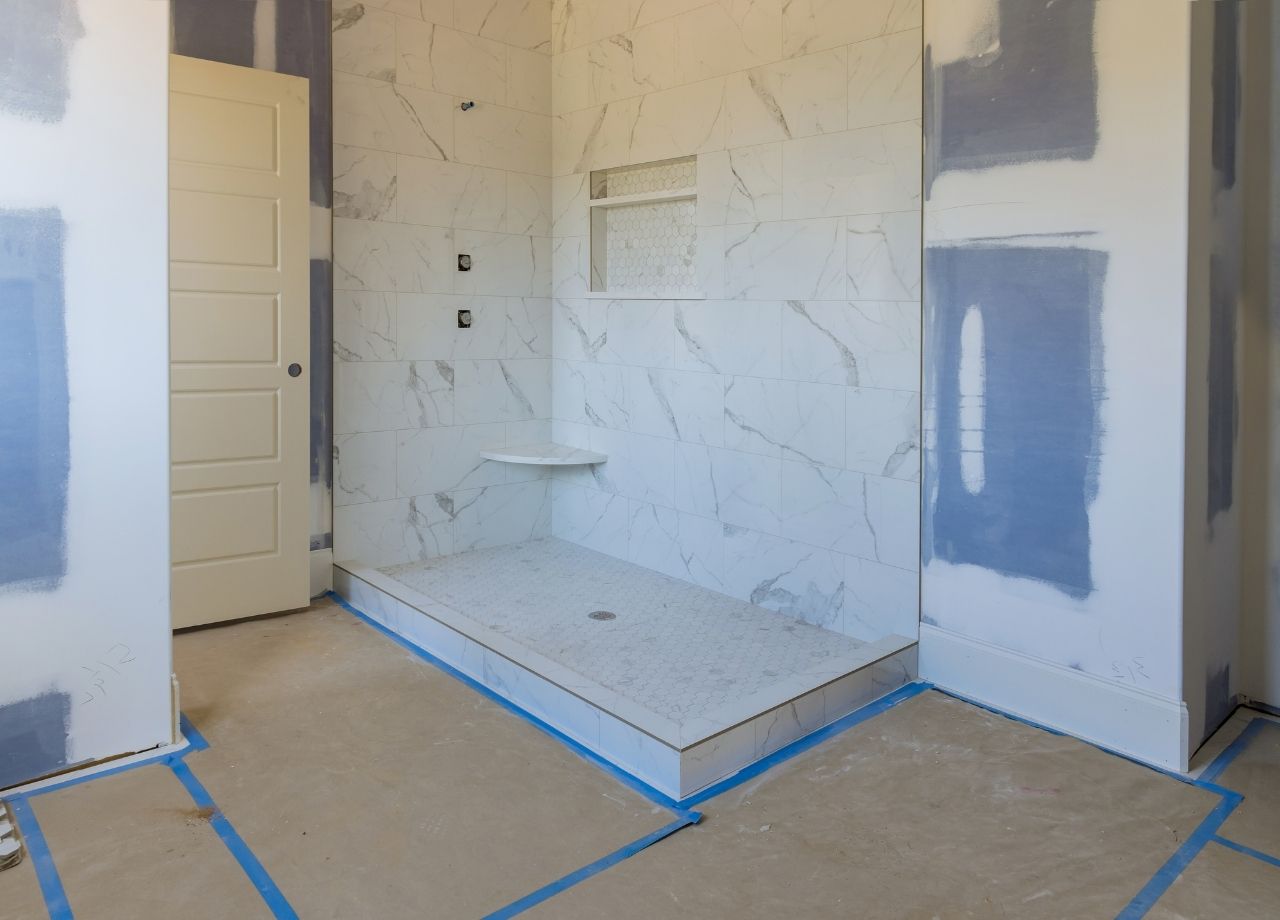
Material selections also have a major influence on the budget. Custom cabinetry, natural stone, premium plumbing fixtures, detailed tile installations, specialty glass, heated flooring, and upgraded lighting can raise the investment in a renovation or remodel.
For that reason, comparing bathroom projects based only on room size can be misleading. Scope, existing conditions, finish selections, and construction requirements provide a much more accurate picture of expected costs.
How to Decide Which Type of Project You Need
Start by identifying what you dislike about your current bathroom. If your concerns are primarily cosmetic, renovation may provide everything you need. New tile, fixtures, cabinetry, lighting, and finishes can give a dated bathroom a polished new character without changing its basic configuration.
A remodel becomes more appropriate when the problems are functional. Poor storage, an awkward layout, insufficient lighting, limited shower space, accessibility concerns, or badly positioned fixtures often require more than surface improvements.
The condition of the room should also influence the decision. Water damage, inadequate ventilation, deteriorated materials, outdated electrical components, or hidden plumbing problems may expand the scope once construction begins. A responsible contractor should evaluate visible conditions and discuss potential concerns before work starts.
Your long-term plans matter as well. If you expect to remain in the home for many years, changing the layout to improve comfort and usability may provide greater everyday value than preserving a configuration that already frustrates you.
Planning for Plumbing, Waterproofing, and Ventilation
Bathrooms place unusual demands on construction materials because water and humidity are constant concerns. Beautiful tile and premium fixtures cannot compensate for poor waterproofing, inadequate ventilation, or improperly installed plumbing.
Shower assemblies require careful preparation beneath the visible surface. Proper drainage, waterproofing methods, substrate preparation, sealing, and installation details all contribute to long-term performance. Much of the most important craftsmanship in a bathroom is hidden after the project is complete.
Ventilation deserves similar attention. Excess moisture can contribute to peeling finishes, damaged materials, mildew, and poor indoor comfort. Updating an older bathroom provides an opportunity to assess ventilation and make improvements where needed.
These technical details are one reason professional planning matters. A finished bathroom should look refined, but it should also perform reliably through years of daily use.
Should You Remodel or Renovate Before Selling?
Homeowners preparing to sell sometimes assume that a full remodel is automatically the better investment. That is not always necessary. A well-planned renovation can correct dated finishes and create a clean, appealing bathroom without paying to relocate fixtures that already function well.
The decision should be guided by the bathroom’s current condition and how it compares with the rest of the property. A severely outdated or poorly arranged bathroom may benefit from larger changes, particularly when its condition makes the entire home feel less current.
Quality also matters. Buyers can notice uneven tile, rushed caulking, poorly fitted cabinetry, and mismatched finishes. A smaller project completed with care can often present better than an ambitious remodel compromised by shortcuts.
Why the Contractor Matters as Much as the Project Type
Bathroom work brings several trades and materials into a relatively small area. Measurements must be accurate, waterproofing must be dependable, fixtures must be positioned correctly, and finish details need to align cleanly. Small errors can become highly visible once the room is complete.

A qualified renovation contractor should help define the scope before construction begins and explain which changes may affect cost, scheduling, or surrounding systems. Good communication is especially valuable when demolition exposes conditions that could not be fully seen beforehand.
At Exquisitely Renovated LLC, we believe craftsmanship includes the work clients see and the preparation hidden behind finished surfaces. Careful planning, respectful project management, and attention to installation details help create bathrooms that feel considered rather than simply updated.
Choosing the Right Approach for Your Bathroom
The difference between a bathroom remodel and a bathroom renovation is ultimately the scale and purpose of the work. Renovation generally refreshes an existing bathroom, whereas remodeling changes its layout, systems, or function.
Neither approach is automatically better. The right choice depends on the condition of your bathroom, the way you use the space, your design goals, your budget, and how extensively the existing layout needs to change.
Before selecting tile or fixtures, define the problems the project needs to solve. A carefully planned bathroom can provide easier routines, better storage, improved comfort, dependable performance, and a refined appearance that feels appropriate for the home. When those priorities guide the project from the beginning, every design and construction decision has a clearer purpose.
Learn more about how to get started: