
Bathroom storage has a quiet but powerful influence on how a space feels and functions. Cabinet depth may sound like a small technical detail, yet it shapes the daily experience of using a bathroom. The right depth keeps essentials within reach, preserves walking space, and supports a clean, organized design.
At Exquisitely Renovated, cabinet depth is one of the details we evaluate early in every bathroom renovation project. Homeowners often focus on finishes, tile, and lighting, yet storage dimensions determine how comfortable and practical the room will be for years to come. A beautiful vanity loses its appeal quickly if drawers cannot hold basic toiletries or if cabinet doors crowd the walkway.
A thoughtful approach to cabinet depth ensures storage works naturally with the layout. Proper sizing supports plumbing placement, keeps the room feeling open, and allows daily routines to unfold smoothly. Understanding standard dimensions and when adjustments make sense can help homeowners plan a bathroom that balances elegance with everyday practicality.
Standard Bathroom Cabinet Depth
Most bathroom cabinets fall within a fairly predictable range of depths. The most common measurement for standard vanity cabinets is 21 inches deep, measured from the wall to the front edge of the countertop. This size has become the industry standard because it offers enough interior storage while maintaining comfortable clearance in typical bathroom layouts.
In smaller bathrooms, particularly powder rooms or narrow guest baths, cabinet depth often reduces to 18 inches. This slightly slimmer profile creates additional walking space without sacrificing too much storage. Shallow vanities work especially well where the door swing or traffic flow limits how far cabinets can extend into the room.
Custom cabinetry allows for adjustments outside these standard sizes. Some large primary bathrooms feature vanities 22 to 24 inches deep, which creates generous storage and accommodates larger sinks or double vanity layouts. The extra depth can support deeper drawers, pull-out organizers, and integrated electrical outlets for styling tools.
Professional designers rarely choose cabinet depth in isolation. The surrounding layout, the placement of fixtures, and the overall scale of the room all influence the final measurement.
Why Cabinet Depth Matters More Than Most People Think
Cabinet depth shapes more than storage capacity. It influences how the entire bathroom feels and functions. When cabinets extend too far into the room, movement becomes restricted and the space feels cramped. A cabinet that is too shallow, on the other hand, limits usable storage and forces clutter onto countertops.
One of the most noticeable effects appears in front of the vanity. Adequate clearance between the vanity and opposing walls or fixtures keeps the bathroom comfortable to navigate. Designers generally aim for at least 30 inches of clearance, though larger bathrooms benefit from even more space.
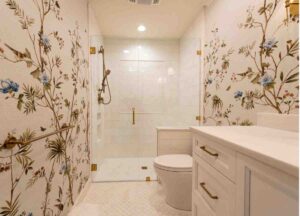
Cabinet depth also interacts with sink placement. Many modern sinks require adequate depth beneath the countertop to accommodate plumbing while still leaving room for drawers. Poor planning often leads to false drawer fronts or unusable storage areas.
From a visual standpoint, cabinet depth influences balance and proportion. A vanity that feels properly scaled to the room enhances the sense of harmony within the space.
Recommended Depth for Different Bathroom Types
Not all bathrooms share the same storage needs. Cabinet depth often shifts depending on the room’s purpose, the available square footage, and the household’s lifestyle.
Powder Rooms
Powder rooms tend to have limited space, making shallow cabinetry a practical solution. Depths of 16 to 18 inches work well here, especially when paired with compact sinks or wall-mounted faucets.
These smaller cabinets maintain visual lightness while leaving enough room for hand soap, towels, and basic supplies. A slightly slimmer vanity also helps prevent the room from feeling boxed in.
Guest Bathrooms
Guest bathrooms benefit from a little more storage. A depth of 18 to 21 inches strikes a comfortable balance between accessibility and function.
Cabinets at this depth provide space for toiletries, cleaning supplies, and spare linens without overwhelming the layout. When designing guest bathrooms, we often incorporate interior organizers or drawer dividers to keep the space tidy and welcoming for visitors.
Primary Bathrooms
Primary bathrooms usually call for deeper cabinetry. The people who use these spaces daily require storage for grooming products, skincare items, and personal accessories.
Depths of 21 to 24 inches are common in these bathrooms, especially when paired with double vanities. Deeper cabinets allow for full-extension drawers, vertical storage compartments, and pull-out shelving that keeps items visible and easy to access.
Large primary bathrooms also benefit from additional storage towers or linen cabinets that match the vanity depth.
The Role of Countertop Overhang
Cabinet depth alone does not determine the full projection of a vanity. Countertops typically extend about one inch beyond the cabinet face, which creates a comfortable edge and protects cabinet surfaces from water exposure.
This small overhang plays an important role in durability and usability. It prevents water from running down cabinet doors and provides a subtle visual transition between materials.
Designers also consider sink placement when calculating the total depth of the vanity assembly. Vessel sinks or large undermount sinks may require adjustments to maintain proper proportions and comfortable reach.
When we plan bathroom renovations, we review cabinet depth alongside countertop thickness and sink style to ensure every component aligns correctly.
Storage Efficiency Inside the Cabinet
The interior design of a cabinet is just as important as its outer dimensions. Depth creates opportunity for smarter storage solutions that reduce clutter and improve organization.
Deep drawers work particularly well in bathroom vanities. Unlike traditional cabinet doors with shelves, drawers allow users to see everything at a glance. This design prevents items from getting lost in the back of the cabinet.
Pull-out trays, sliding organizers, and built-in electrical outlets are becoming increasingly popular features. These additions turn cabinet depth into practical, accessible storage rather than wasted space.
Many homeowners also appreciate vertical compartments for hair tools. These narrow sections keep styling equipment upright and safe while still allowing cords to remain plugged in.
Thoughtful interior planning ensures the cabinet’s depth delivers real functionality rather than unused space.
Wall Cabinets and Medicine Cabinet Depth
Bathroom storage extends beyond the vanity. Wall cabinets and medicine cabinets also require careful sizing to maintain balance within the room.
Standard medicine cabinets usually measure 4 to 5 inches deep. This size accommodates toiletries and medications without protruding too far from the wall. Recessed medicine cabinets offer an even cleaner look since they sit partially inside the wall cavity.
Wall-mounted cabinets that store towels or supplies often range from 6 to 12 inches deep. These cabinets provide meaningful storage while maintaining a light visual footprint above the vanity or toilet area.
The goal is to keep wall storage practical while preserving openness within the bathroom. Cabinets that extend too far outward can make the room feel crowded.
Custom Cabinet Depth for Unique Layouts
Every bathroom has its own spatial challenges. Older homes often contain narrow layouts, unusual plumbing placement, or architectural features that affect cabinetry dimensions.
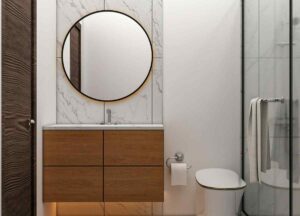
Custom cabinetry offers flexibility when standard sizes do not fit the room comfortably. Slight adjustments to depth can improve traffic flow, accommodate plumbing lines, or align cabinets with architectural elements.
Custom depth can also support accessibility needs. Some homeowners prefer slightly shallower cabinets that make reaching the back of drawers easier. Others choose deeper cabinets for expanded storage in large primary suites.
During renovation planning, careful measurement and layout testing ensure the cabinetry integrates naturally with the room.
How Professionals Determine the Right Cabinet Depth
Selecting the right cabinet depth involves more than choosing a number from a catalog. Designers evaluate several factors before finalizing dimensions.
The overall bathroom size is the starting point. Larger rooms allow for deeper cabinetry without sacrificing comfort. Smaller bathrooms benefit from slimmer profiles that preserve movement space.
Plumbing location also plays a significant role. Drain pipes and water lines affect where drawers and shelves can be placed. Skilled cabinet design accounts for these mechanical elements without compromising storage.
Lifestyle needs also shape cabinet depth. A busy household with multiple users often requires deeper drawers and more interior organization. Minimalist spaces may function well with slightly shallower cabinets and fewer compartments.
Careful planning ensures the cabinet depth enhances daily convenience rather than becoming a limitation.
Creating Balance Between Storage and Space
Bathroom design always involves a balance between storage and openness. Cabinets should feel substantial enough to hold everyday essentials while still allowing the room to breathe.
Proper cabinet depth contributes to that balance. When cabinets align with the scale of the room, the entire space feels more comfortable and intentional. Storage remains accessible, walkways stay clear, and the visual flow of the bathroom remains calm and organized.
This level of planning reflects the difference between a standard installation and a carefully designed renovation. At Exquisitely Renovated, we pay close attention to dimensions like cabinet depth because they quietly shape how a space performs over time.
The most successful bathrooms combine thoughtful measurements with quality craftsmanship. Cabinet depth may appear to be a small decision, yet it influences storage capacity, circulation, and overall comfort. When chosen wisely, it supports a bathroom that feels effortless to use every single day.
Learn more about how to get started: