
Author Archive

How to Get a Smooth Paint Finish Every Time: Professional Techniques for Flawless Walls and Trim

November 18th, 2025 | Basement Remodeling

A flawless paint finish can transform a space — giving walls a soft, even glow and trim the crisp precision that defines expert craftsmanship. Yet, achieving that smooth, mirror-like surface is rarely as simple as opening a can of paint and getting started. The difference between an average result and a professionally polished finish lies in the preparation, tools, and technique used from the very first step.

At Exquisitely Renovated LLC, painting isn’t treated as a final touch — it’s a core part of our renovation process. Our crews treat every project, from whole-home remodels to detailed trim restorations, with the same precision that a fine craftsman brings to furniture making. That level of care is what separates “freshly painted” from “flawlessly finished.”

Preparation: Where Perfect Finishes Begin

Smooth paint starts long before the first stroke. Proper preparation eliminates the microscopic imperfections that cause paint to look uneven, chalky, or textured once it dries.

Every wall tells a story — tiny cracks, nail holes, and subtle surface differences reveal years of wear. Professional painters take the time to erase that story before the first coat of primer ever touches the surface. Start by inspecting the walls under strong lighting to identify every flaw. Fill gaps and holes with a high-quality patching compound, not spackle that shrinks or crumbles. Once dry, sand the patched areas with fine-grit paper until perfectly flush.

After sanding, dust removal becomes essential. Even the most advanced paint won’t adhere properly to dust or residue. A vacuum with a soft brush attachment, followed by a tack cloth, ensures that the surface is entirely clean. Finally, wipe walls with a damp microfiber cloth to remove any lingering particles or sanding residue.

Before painting, prime the surface. Primer doesn’t just help color adhere — it evens out surface porosity so the topcoat lays down evenly and dries with consistent sheen. Whether painting new drywall or refreshing an older surface, primer is non-negotiable for a professional finish.

The Importance of the Right Tools and Materials

Paint quality and application tools play a decisive role in the outcome. Even skilled painters can’t achieve perfect results with subpar materials.

Use high-quality paints with a smooth, self-leveling formula. These paints settle into themselves, minimizing roller or brush marks. For trim and doors, consider an enamel or hybrid enamel formula, which dries to a harder, more durable finish that resists fingerprints and scuffs.

Rollers and brushes should be chosen based on the surface texture and paint type. Smooth walls require rollers with a shorter nap — typically 3/8” or less — while textured walls need slightly thicker naps to reach every crevice. For trim, angled sash brushes made with fine synthetic bristles allow for sharp, clean edges without streaking.

Paint quality

When working on high-end remodels, our painters at Exquisitely Renovated often use specialized rollers and sprayers designed for uniform application. These professional tools help achieve that glass-smooth finish seen in luxury homes, without overspray or uneven buildup.

Technique: The Art of Even Application

Technique transforms good materials into great results. Every professional painter knows that consistency of movement and control over paint flow are what determine how the finish levels out.

When using a roller, load it evenly and roll it over a grid or tray to remove excess. Begin in the middle of the wall, then roll upward and downward in a “W” or “M” motion, filling in without lifting the roller unnecessarily. Overlapping slightly while the paint is still wet prevents visible lines where strokes meet. The key is maintaining a wet edge — always working from wet to dry — so that no hard edges or lap marks appear.

On trim, steady hand control is essential. Dip only one-third of the brush into paint, tapping off excess instead of wiping it along the rim of the can. Smooth, continuous strokes, following the natural grain of the wood, produce the cleanest look. For corners or molding, finish with a single, confident stroke along the entire edge to eliminate visible start and stop points.

Temperature and humidity also influence results. Paint applied in overly humid conditions or extreme temperatures may dry unevenly or develop brush marks. Keep the environment stable — ideally around 70°F with low humidity — to ensure consistent drying and leveling.

The Role of Sanding Between Coats

Few DIY painters realize that professional-grade smoothness requires more than one coat — and more than one round of sanding.

After the primer and each subsequent coat, a light sanding with ultra-fine paper (220-grit or higher) refines the surface, removing tiny raised fibers or dust particles that settle during drying. This step may seem tedious, but it’s what produces that velvety, flawless feel under your fingertips. Always sand lightly and evenly, then wipe down completely before applying the next coat.

For trim and cabinetry, an additional level of precision is required. Fine sanding between coats not only smooths the surface but also enhances adhesion for the final layer, helping it resist chipping and scratching over time. The result is a durable, elegant finish that holds up to daily use — a hallmark of professional work.

Choosing the Right Sheen for a Perfect Finish

Even when application is flawless, the choice of sheen can affect how “smooth” the paint appears to the eye.

Flat and matte finishes hide minor imperfections but are more prone to marks and wear, making them best for ceilings or low-traffic rooms. Eggshell and satin finishes strike a balance — easy to clean, yet soft enough to conceal subtle flaws on walls. Semi-gloss and high-gloss finishes, on the other hand, accentuate every contour, which is why professionals reserve them for trim, doors, and built-ins where crisp definition enhances the architecture.

Matching the right sheen to each surface ensures a cohesive, elegant result. This is something our team pays close attention to during every renovation project, particularly when integrating new finishes with existing design elements.

Finishing Touches That Define Professional Work

The last 10% of effort often makes 90% of the visual difference. Detailing edges, perfecting corners, and maintaining clean lines at transitions between walls and trim separate amateur work from professional craftsmanship.

Remove painter’s tape before the final coat fully dries to prevent peeling. Step back periodically to check the surface under natural and artificial light, since minor inconsistencies can appear under different conditions. Touch up as needed with small, even strokes that blend seamlessly into the surrounding area.

Finally, allow proper curing time before moving furniture back or cleaning the walls. Fresh paint can take several weeks to reach full hardness, and early contact can leave unwanted impressions or sheen variations.

When Precision Matters, Trust Experience

A smooth paint finish is both an art and a science. It reflects patience, preparation, and practiced skill — the same principles that guide every renovation we complete at Exquisitely Renovated LLC. From wall restoration to trim painting and full interior upgrades, our painters bring the expertise and dedication required to deliver finishes that stay beautiful for years to come.

Whether updating a single room or completing a full-scale remodel, attention to these details ensures that every surface tells a story of quality, care, and craftsmanship — exactly what our clients expect when they choose Exquisitely Renovated.
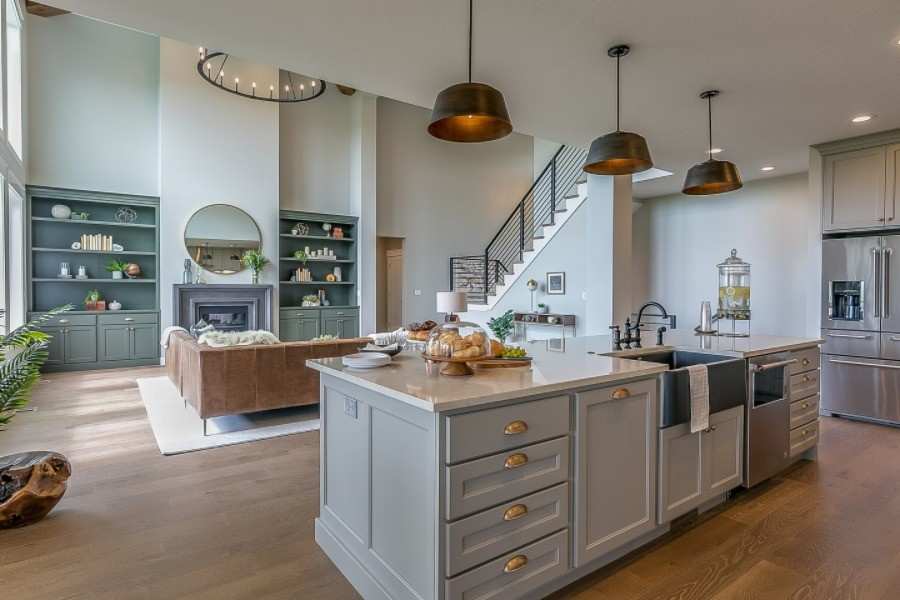
Learn more about how to get started:

From Demolition to Dream Kitchen: A Realistic Renovation Timeline Homeowners Can Trust

November 18th, 2025 | Basement Remodeling

A kitchen renovation is one of the most rewarding projects a homeowner can undertake. It’s the heart of the home — a place where families gather, meals are shared, and memories are made. But between inspiration and completion lies a journey that requires thoughtful planning, skilled craftsmanship, and realistic expectations.

At Exquisitely Renovated, we’ve guided countless Maryland and Washington D.C. homeowners through this process — from the first design meeting to the final walkthrough — ensuring that every detail reflects their vision. A successful kitchen renovation isn’t about rushing to the finish line; it’s about creating a space that’s built to last. Understanding the timeline from demolition to completion can help homeowners feel informed, confident, and prepared for each phase of the transformation.

The Planning and Design Phase

Every exceptional kitchen begins long before the first wall is opened. The planning and design stage sets the tone for everything that follows. During this phase, homeowners collaborate closely with the renovation team to refine goals, establish a budget, and select materials that align with both style and functionality.

Typically, this stage can take anywhere from four to eight weeks, depending on the complexity of the project. Homeowners should anticipate several meetings with designers and project managers to discuss layout changes, appliance specifications, cabinetry design, lighting plans, and finishes. A well-executed design process minimizes surprises later and ensures that every decision supports the end vision.

This is also when we help clients navigate the logistics that often go unnoticed — permits, inspections, and lead times for custom materials. At Exquisitely Renovated, we manage these details on behalf of our clients to streamline the process and prevent delays. The more thorough this initial phase, the smoother the renovation will be once work begins.

Preparing for Construction

Before demolition starts, there’s important groundwork to cover. Preparation includes ordering all necessary materials and scheduling the trades who will bring the design to life. Homeowners should expect two to three weeks of preparation, especially for projects that involve major structural changes, plumbing relocations, or electrical updates.

This phase often includes setting up a temporary kitchen space, packing away items, and ensuring that the work area is accessible. Homeowners are encouraged to plan ahead for how daily routines will adjust during construction. With a clear plan in place, this transition can be surprisingly manageable.

The project manager plays a vital role here — coordinating deliveries, confirming schedules, and ensuring that each trade professional knows precisely when their part of the project begins. When this orchestration is handled well, it minimizes idle time and keeps the project moving efficiently.

Demolition: Clearing the Way for Progress

Once preparation is complete, the demolition phase begins. For most kitchens, demolition takes two to five days, depending on the size of the space and the extent of the remodel. Walls may be opened, flooring removed, and old cabinetry taken down.

While demolition is often the most dramatic visual change early on, it’s also a critical technical step. Proper disposal, dust control, and protection of surrounding areas ensure the rest of the home remains undisturbed. Experienced contractors use containment barriers, HEPA filters, and protective coverings to safeguard against debris and minimize disruption.

During this stage, unexpected discoveries can sometimes arise — outdated wiring, hidden water damage, or structural concerns. A trusted renovation team will address these issues immediately, keeping homeowners informed while maintaining schedule integrity.

Structural and Mechanical Work

After demolition, the focus shifts to rough construction, which includes framing, plumbing, and electrical work. This stage typically lasts one to three weeks, depending on how extensive the remodel is.

If the renovation includes moving walls, expanding the kitchen footprint, or adding new windows, the framing team will handle those updates first. Once framing is complete, licensed electricians and plumbers begin installing the infrastructure for outlets, lighting, water lines, and ventilation.

This is also when inspections may be required by local authorities to ensure all work meets safety and code standards. Homeowners can expect temporary pauses during this time as inspectors review the work — a small but necessary step in maintaining long-term quality and compliance.

By the end of this stage, the skeleton of the new kitchen is in place. Everything behind the walls is updated, setting the stage for the visible finishes that follow.

Drywall, Flooring, and Cabinetry Installation

Once inspections are cleared, the visual transformation begins. This is the phase when progress becomes tangible, and homeowners can start to see their dream kitchen take shape.

Drywall installation and finishing usually require five to seven days, allowing for mudding, sanding, and drying between coats. After that, flooring installation begins — whether it’s hardwood, tile, or luxury vinyl plank — followed by base cabinetry and islands.

Cabinetry is one of the most detailed elements of any kitchen renovation. Each piece must be leveled and aligned precisely to ensure smooth drawer and door operation, symmetrical lines, and perfect countertop fitment. Quality craftsmanship at this stage determines not just appearance, but long-term durability.

Cabinetry

Depending on material selections and kitchen size, this stage can span two to four weeks. Patience here pays off; careful installation ensures every joint, edge, and corner reflects a high standard of workmanship.

Countertops, Backsplash, and Fixtures

After cabinetry installation, countertops are templated and fabricated — a process that usually takes one to two weeks. Stone fabricators use precise laser measurements to cut materials like quartz, granite, or marble to exact dimensions. Once installed, the backsplash follows, tying together the color palette and design aesthetic.

At this stage, plumbing and electrical fixtures are installed — faucets, lighting, outlets, and appliances. The space begins to function as a true kitchen again, often just weeks away from completion. Each finish adds refinement and personality, transforming the space from a construction site into a cohesive, livable environment.

Final Touches and Walkthrough

The last stage of a kitchen renovation is about refinement. Painters add finishing coats, trim and molding are installed, and hardware is fitted onto cabinetry. The team conducts detailed quality checks, ensuring every door aligns, every surface is level, and every light switch operates perfectly.

A final walkthrough with the homeowner provides the opportunity to address any last details and confirm satisfaction. This phase typically takes one to two weeks, depending on adjustments or final inspections.

At Exquisitely Renovated, we believe this closing period is just as important as the initial design. It’s the moment where craftsmanship meets accountability — and where homeowners get to experience the full realization of their vision.

A Realistic Timeline You Can Trust

When considering all phases — design, preparation, demolition, construction, finishing, and inspections — a realistic timeline for a full kitchen renovation usually spans three to five months. Larger or more customized projects may take longer, while smaller updates can finish sooner.

The key to a smooth renovation lies in coordination, transparency, and consistent communication. A trusted contractor will guide homeowners through each step, keeping expectations clear and timelines honest.

Renovation is not simply about speed; it’s about precision, collaboration, and respect for the craft. When those principles lead the process, the result is not just a new kitchen — it’s a space that elevates daily living and enhances the home’s overall value.

Bringing Your Vision to Life

A kitchen renovation is a major investment, both emotionally and financially. The journey from demolition to completion can feel extensive, but with the right team, it unfolds seamlessly. Each stage builds upon the last, guided by craftsmanship, planning, and a shared vision of excellence.

At Exquisitely Renovated, we specialize in creating kitchens that balance beauty, performance, and timeless design. From design consultation through to final inspection, every detail receives the care it deserves. Homeowners can trust that their renovation timeline — and the finished space — will reflect integrity, precision, and enduring value.

Learn more about how to get started:

What No One Tells You About Remodeling Your Basement

March 27th, 2025 | Basement Remodeling

The Overlooked Potential Beneath Your Feet

Basements often start out as the catch-all space—boxes, seasonal decorations, maybe an old treadmill collecting dust. But that overlooked area could become one of the most functional and enjoyable parts of your home. The key? A well-executed basement remodel that’s not only beautiful, but smartly designed with your needs in mind.

At Exquisitely Renovated LLC, we’ve helped homeowners throughout Maryland and Washington D.C. unlock the full potential of their basements. Whether you want a cozy retreat, a home gym, or a private guest suite, we bring the experience and insight needed to do it right the first time.

What You’re Not Hearing About Basement Remodeling

Remodeling a basement involves more than putting up walls and picking out paint. It requires strategic planning, attention to detail, and a deep understanding of how to work with this unique part of your home.

Here are some common pitfalls homeowners encounter:

  • Moisture issues that go unchecked can damage materials and lead to mold problems.
  • Insufficient lighting creates a gloomy atmosphere that makes the space feel smaller.
  • Generic layouts may ignore how your family actually lives and uses the space.
  • Code violations or skipped permits can delay projects and rack up unexpected costs.

Our approach is centered around getting to know both your space and your goals. We customize every project—not just for function, but for lifestyle. Whether you’re creating a home office that’s quiet and productive or a rental suite with its own entrance, we design for how you’ll actually use it.

More Than a Makeover — It’s a Smart Investment

A thoughtfully finished basement can become a major asset. It adds square footage, increases your home’s value, and provides flexibility as your needs evolve. The possibilities are nearly endless:

  • A secondary living room or entertainment hub
  • A private in-law suite or guest bedroom
  • A fitness area with durable, moisture-resistant flooring
  • A playroom that grows with your kids

We’ve delivered all of these and more. With every project, we prioritize craftsmanship, clear communication, and long-term durability—because shortcuts only lead to regrets.

Why Experience and Local Knowledge Matter

Choosing the right contractor can make or break your remodeling experience. At Exquisitely Renovated, we’re fully licensed and insured, with a strong track record across Maryland and Washington D.C. Our team understands local building codes, structural considerations, and design trends that work well for homes in this area. And most importantly, we take your trust seriously—delivering quality that lasts.

If you’re thinking about upgrading your basement, start by exploring what’s possible. With the right team, that forgotten space downstairs could become your home’s best feature.

Learn more about how to get started:

Small Bathroom? No Problem! Clever Remodeling Tips to Maximize Your Space

March 1st, 2025 | Bathroom Remodeling

Just because your bathroom is small doesn’t mean it can’t be stylish, functional, and comfortable. With the right design choices, you can make even the tiniest space feel open and inviting. Whether you’re dealing with a cramped guest bath or a compact master ensuite, a few smart upgrades can go a long way. Let’s dive into some clever remodeling tips to help you get the most out of your small bathroom.

Choose Space-Saving Fixtures

When every inch matters, bulky vanities and oversized bathtubs just won’t cut it. Instead, opt for space-saving fixtures that offer function without overwhelming the room. Wall-mounted sinks, floating vanities, and compact toilets free up floor space and make the bathroom feel more open. If you love taking baths, consider a clawfoot tub with a slimmer profile or a corner bathtub to save space without sacrificing comfort.

Use Light Colors and Reflective Surfaces

Dark colors can make a small bathroom feel even smaller. Light, neutral shades like white, beige, or soft gray create an open, airy feel. Glossy finishes, mirrors, and glass elements also reflect light and enhance the sense of space. A frameless glass shower door is a great way to eliminate visual barriers and make the room feel larger.

Maximize Storage Without Clutter

Clutter makes any space feel cramped, but in a small bathroom, it’s even more noticeable. The key is smart storage solutions that keep essentials organized without taking up too much room. Consider installing:

  • Recessed shelving in the shower or above the toilet
  • Floating shelves for towels and toiletries
  • Over-the-door storage racks for extra space
  • Built-in medicine cabinets to keep countertops clear

A little creativity with storage can make a world of difference in keeping your small bathroom functional and clutter-free.

Upgrade the Lighting

Good lighting is essential in a small bathroom. Instead of relying on a single overhead light, layer your lighting with vanity lights, wall sconces, or LED strips under cabinets for a soft, inviting glow. If possible, maximize natural light by using sheer window treatments or adding a skylight.

Make Every Detail Count

In a small bathroom, every design element plays a role in how the space feels. Small upgrades like modern hardware, sleek faucets, or stylish tiles can elevate the entire look without requiring a complete overhaul. A bold accent wall or patterned floor tile can add personality while keeping the rest of the space light and minimal.

Turn Your Small Bathroom into a Functional, Stylish Space

No matter the size, your bathroom should be a place of comfort and relaxation. If you’re ready to transform your space, our Bathroom Remodeling services can help bring your vision to life. Need other home updates? Check out our Basement Remodeling services for extra living space, Interior Painting to refresh your walls, or Carpentry for custom storage solutions.

A small bathroom doesn’t have to feel cramped—with the right remodel, it can be just as stylish and functional as any luxury spa. Ready to get started? Let’s create a space that works for you!

Why Home Renovations Aren’t Just About Looks

January 29th, 2025 | Home Renovations

When most people think about home renovations, their minds often go straight to aesthetics. While a modern kitchen or a luxurious bathroom can certainly make your home more beautiful, renovations offer so much more than just visual appeal. They can enhance your comfort, increase your property’s functionality, and, perhaps most importantly, boost its overall value. Let’s dive into the benefits of home renovations and why they’re worth considering.

Enhanced Comfort and Functionality

A home that’s designed around your lifestyle isn’t just more enjoyable to live in—it’s more efficient, too. Renovations like kitchen upgrades, basement remodels, or custom cabinetry can improve how you use your space. A cramped kitchen can become an open, inviting place for family meals, or an underused basement can transform into a home office or entertainment area.

Comfort upgrades go beyond aesthetics. Replacing outdated windows, improving insulation, or installing modern HVAC systems can create a cozier indoor environment and reduce energy costs. When your home works with you instead of against you, daily life becomes smoother and more comfortable.

Increased Energy Efficiency

Many home improvement projects directly contribute to better energy efficiency, leading to lower utility bills and a more sustainable lifestyle. Upgrades like installing energy-efficient appliances, better insulation, or LED lighting can drastically cut energy consumption. Even something as simple as replacing drafty windows with energy-efficient ones can have a significant impact.

Not only will these improvements save you money, but they’ll also make your home more appealing to potential buyers. Energy efficiency is a growing priority for many homeowners, making these renovations a smart investment.

Long-Term Financial Benefits

A well-planned home renovation is an investment that often pays off in the long run. Upgrades to kitchens, bathrooms, and flooring typically have high returns on investment, increasing your home’s resale value. Even smaller improvements like fresh paint or updated fixtures can help attract buyers and justify higher asking prices.

Renovations that address maintenance issues, such as roof repairs or plumbing upgrades, also prevent costly damage down the road. Rather than waiting for things to break, proactive improvements save you money and help maintain your home’s overall condition.

Personalized Spaces for You and Your Family

Every family is different, and your home should reflect your unique needs. Renovations allow you to customize your space to fit your lifestyle. Whether you want a playroom for the kids, a home gym, or a cozy reading nook, renovations give you the freedom to create spaces that bring joy and functionality to your daily life.

These personal touches not only enhance your living experience but also make your home more memorable to future buyers. A well-designed space that feels both practical and inviting can set your property apart on the market.

Ready to Transform Your Home?

If you’re thinking about giving your home a fresh start, we’re here to help. Discover our bathroom remodeling services for a spa-like retreat or explore basement remodeling to maximize your space. Need a finishing touch? Our interior painting services can revitalize any room. When you’re ready, contact us to bring your vision to life.