
Water leaking from a bathroom into the ceiling below is one of those issues that feels minor at first glance and then steadily reveals a much more serious story. A faint stain, a slow drip, or a soft spot in drywall often signals a hidden failure behind finished surfaces. From our experience working in homes throughout Maryland and Washington D.C., this type of leak rarely stays contained. It tends to spread quietly, compromising structure, finishes, and indoor comfort long before the source becomes obvious.
At Exquisitely Renovated, we see this problem most often during bathroom repair and renovation projects, when ceilings are opened and plumbing systems are finally visible. What homeowners assumed was a small plumbing mishap frequently turns out to be a combination of aging materials, poor installation, and moisture exposure over time. Addressing it correctly requires more than patching drywall or repainting a ceiling. It calls for a clear understanding of how bathrooms function as complete systems, from supply lines to drainage, waterproofing, and ventilation.
A ceiling leak tied to a bathroom above is not just a cosmetic concern. It is an early warning sign that deserves prompt attention, careful diagnosis, and skilled repair.
Why Bathroom Leaks Travel Downward
Bathrooms concentrate water more than any other room in a home. Supply lines feed sinks, toilets, tubs, and showers under constant pressure. Drain lines carry wastewater away several times a day. Surrounding these systems are tiled surfaces, waterproof membranes, subfloors, and framing that all work together to manage moisture.
When any part of this system fails, gravity takes over. Water does not remain neatly contained near the source. It follows framing members, pipe runs, and fasteners until it finds the path of least resistance. That path often leads straight into the ceiling below.
Ceilings hide problems exceptionally well. Drywall can absorb a surprising amount of moisture before showing visible signs. By the time discoloration or sagging appears, the leak may have been active for weeks or months. In multi level homes, we frequently find damage that extends beyond the immediate area, affecting insulation, electrical components, and structural framing.
Common Sources of Bathroom to Ceiling Leaks
Understanding where these leaks typically originate helps explain why surface level fixes almost never last. Each fixture in a bathroom presents its own risks, especially as homes age.
Shower and tub assemblies are among the most frequent culprits. Cracked grout, failed caulk joints, or compromised waterproofing behind tile allow water to bypass visible surfaces. Once behind the wall or under the tub, moisture seeps into the floor system and migrates downward. In many older homes, showers were installed before modern waterproofing standards existed, making slow leaks almost inevitable.
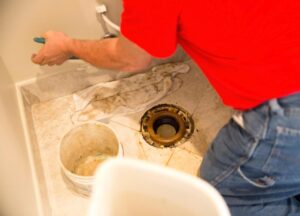
Toilets also cause a significant number of ceiling leaks. A failing wax ring at the toilet base can release water every time the toilet is flushed. This water often travels under the finished floor, soaking the subfloor before dripping into the ceiling below. Because the leak only occurs during use, it can go unnoticed for a long time.
Supply lines and shutoff valves are another common source. Even a pinhole leak in a pressurized line can release a steady stream of water into framing cavities. Over time, this moisture damages wood and drywall while encouraging mold growth.
Drain assemblies for sinks and tubs can loosen or crack as materials expand and contract. These leaks are often subtle, releasing water slowly but consistently. The damage accumulates quietly, which is why ceilings sometimes collapse seemingly without warning.
Early Warning Signs Homeowners Often Miss
Many homeowners only react once water becomes visible on the ceiling below. By that stage, repairs are already more involved. There are usually earlier indicators that something is wrong upstairs.
Persistent musty odors near the bathroom or in rooms below often signal hidden moisture. Paint that begins to bubble, peel, or discolor on a ceiling is another warning sign. Soft or spongy flooring around a tub or toilet suggests subfloor saturation, which almost always affects the ceiling beneath.
In some cases, homeowners notice grout lines darkening or cracking more quickly than expected. This can point to moisture movement behind tile surfaces. A toilet that rocks slightly or feels unstable may indicate a failing seal, even if no water is visible yet.
Recognizing these signals early allows for targeted intervention rather than broad repairs.
What Happens When a Bathroom Leak Is Ignored
Water damage does not remain static. The longer a leak continues, the more extensive and expensive the repairs become. Ceiling drywall weakens as it absorbs moisture, eventually sagging or collapsing. Insulation loses its effectiveness once wet, contributing to comfort issues and higher energy costs.
Wood framing exposed to repeated moisture begins to deteriorate. While this process can be slow, it compromises structural reliability over time. Mold growth becomes a real concern in damp, enclosed spaces, especially when ventilation is limited. Mold not only affects indoor air quality but can also complicate repairs, requiring specialized remediation.
Electrical components routed through ceilings add another layer of risk. Moisture near wiring or junction boxes introduces safety concerns that should never be ignored.
The Importance of Accurate Leak Diagnosis
One of the most common mistakes we encounter is treating the visible damage rather than the source. Repainting a stained ceiling or replacing drywall without addressing the underlying leak only delays the inevitable.
Accurate diagnosis involves tracing the path of water back to its origin. This often requires selective opening of ceilings or walls to inspect plumbing connections, waterproofing layers, and structural elements. In renovation projects, we frequently uncover multiple contributing factors rather than a single failure.
Professional assessment ensures that repairs address the full scope of the problem. This approach protects homeowners from recurring damage and unnecessary repeat work.
Repairing the Damage the Right Way
Effective repair begins with stopping the water intrusion completely. Plumbing components must be repaired or replaced using materials suited to modern standards. Shower and tub assemblies may require re waterproofing, not just surface patching. Toilets should be reset with new seals, and supply lines upgraded where age or corrosion is present.
Once the leak is resolved, damaged materials need careful evaluation. Saturated drywall should be removed and replaced. Insulation must be dried or replaced to restore performance. Any compromised framing should be reinforced or repaired to maintain structural integrity.
Ceiling restoration is the final step, not the first. Matching textures, finishes, and paint ensures the repair blends seamlessly with the surrounding space. When handled correctly, there should be no visible reminder of the issue once work is complete.
When Bathroom Leaks Signal a Larger Renovation Need
In many homes, a ceiling leak is not an isolated event but a symptom of an aging bathroom system. Outdated plumbing, inadequate waterproofing, and worn finishes often reach their limits at the same time.
During renovation planning, we frequently recommend addressing these systems comprehensively rather than piecemeal. Updating plumbing, improving waterproofing, and modernizing fixtures reduces the risk of future leaks while improving daily comfort and function. This approach also protects the investment homeowners make in their living spaces.
A well planned bathroom renovation can resolve existing problems while preventing new ones, all without unnecessary disruption.
Preventing Future Bathroom to Ceiling Leaks
Prevention starts with quality installation and proper materials. Bathrooms should be treated as high moisture environments at every layer, not just at the surface. Waterproof membranes, properly sloped shower pans, and secure plumbing connections all play essential roles.
Routine maintenance also matters. Resealing grout and caulk as they age, checking toilet stability, and addressing minor plumbing issues promptly can prevent larger failures. Paying attention to subtle changes in ceilings or floors allows homeowners to act before damage escalates.
Ventilation is another often overlooked factor. Proper exhaust systems reduce humidity, helping finishes and materials perform as intended over time.
Final Thoughts
Water leaking from a bathroom into the ceiling below is never something to dismiss. It reflects a breakdown somewhere within a complex system designed to manage water safely. Treating it with the seriousness it deserves protects not only finishes but also structure, safety, and long term value.
From our vantage point inside walls and ceilings every day, the difference between a quick fix and a lasting solution is expertise, patience, and respect for how homes are built. When leaks are addressed thoughtfully and thoroughly, homeowners regain peace of mind and confidence in their spaces, which is always the true measure of a successful repair.
Learn more about how to get started: