
Author Archive

How to Tell If Toilet Is Leaking Under Tile

January 12th, 2026 | Bathroom Remodeling

A hidden toilet leak beneath tile flooring is one of the most damaging plumbing issues a homeowner can face. It often develops quietly, spreading moisture into the subfloor, weakening structural components, and creating conditions where mold and odor take hold. By the time surface symptoms appear, the damage underneath may already be significant.

At Exquisitely Renovated LLC, we frequently encounter bathrooms where the original concern seemed minor, a faint odor or a slightly loose toilet, yet the root cause traced back to a long-term leak beneath the tile. During bathroom renovations and targeted plumbing repairs, we see firsthand how critical early detection can be. Understanding what to look for empowers homeowners to act before a manageable repair becomes a full floor rebuild.

Why Leaks Under Tile Are Hard to Detect

Tile floors are designed to resist surface water, not constant moisture coming from below. Grout lines may look intact, tiles may feel solid underfoot, and the bathroom may appear clean and dry. Meanwhile, water seeps from a compromised wax ring, cracked flange, or deteriorated drain connection, spreading laterally beneath the tile.

Unlike visible supply line leaks, sub-tile leaks rarely show immediate puddling. Water follows gravity and capillary paths into the subfloor, insulation, and adjacent framing. By the time moisture escapes upward, the problem has often been active for months. This delayed visibility is why many homeowners feel blindsided when tile removal reveals rotted plywood or damaged joists.

Another factor is daily bathroom use. Small leaks can evaporate between flushes, masking their presence. Warm indoor temperatures and ventilation fans accelerate this cycle, allowing damage to progress quietly without obvious surface wetness.

Early Warning Signs That Point to a Hidden Toilet Leak

Subtle changes in your bathroom environment are often the first clues. These signs tend to develop gradually and may seem unrelated until viewed together.

Persistent Odors That Do Not Go Away

A musty or sewage-like smell lingering around the toilet area is a common indicator of moisture beneath the floor. When wastewater escapes below the tile, it saturates porous materials that trap odor. Cleaning the bathroom may temporarily reduce the smell, yet it returns within days. This pattern often suggests contamination below the surface rather than a surface-level hygiene issue.

In some cases, homeowners notice the odor intensifies after flushing or during warmer months. Heat accelerates bacterial growth in damp subfloors, making the smell more noticeable.

Loose or Rocking Toilet Base

A toilet should feel solid and unmoving when you sit or shift weight. Movement at the base often means the flange connection has failed or the subfloor beneath has softened from prolonged moisture exposure. As wood loses integrity, it compresses under load, creating a rocking sensation.

Many people attempt to tighten the mounting bolts, yet this rarely resolves the issue. Tightening against compromised flooring can worsen cracks in the flange or distort the toilet base, increasing leakage.

Cracked Grout or Tile Near the Toilet

Cracks in grout lines or tiles surrounding the toilet may signal structural movement below. As the subfloor swells from moisture and later dries, it expands and contracts unevenly. Tile and grout, being rigid materials, respond by cracking.

These cracks often appear radiating outward from the toilet rather than randomly across the room. When paired with any odor or toilet movement, they warrant closer investigation.

Unexplained Moisture or Discoloration

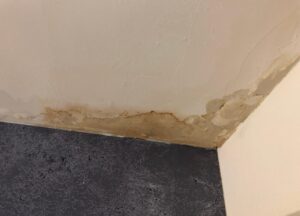
Darkened grout, damp-feeling tiles, or recurring moisture that returns shortly after drying can indicate water rising from below. In some homes, staining appears at the base of the toilet or along nearby baseboards. Paint may bubble or peel where moisture migrates into adjacent walls.

Ceiling stains in the room below the bathroom are another serious warning sign. When water travels far enough to escape downward, it confirms an active leak that has surpassed the tile and subfloor barrier.

Common Causes of Toilet Leaks Beneath Tile

Understanding why these leaks occur helps clarify why they are so destructive and why surface fixes rarely solve them.

Failed Wax Ring Seal

The wax ring creates a watertight seal between the toilet and the drain flange. Over time, wax can dry out, crack, or compress unevenly. Temperature changes, improper installation, or repeated toilet movement accelerate failure.

Once compromised, every flush releases a small amount of water beneath the toilet. Even a few ounces per flush adds up quickly over weeks and months.

Cracked or Improperly Installed Flange

The flange anchors the toilet to the floor and connects it to the drainpipe. Older homes often have metal or PVC flanges that crack or corrode. In some cases, the flange sits too low or too high due to flooring changes, preventing a proper seal.

A damaged flange allows water to escape directly into the subfloor, bypassing visible areas entirely.

Subfloor Deterioration from Prior Moisture

Bathrooms with a history of leaks are more vulnerable to repeat failures. Once wood has been compromised, it loses its ability to hold fasteners securely. Toilets installed over weakened subfloors are more likely to shift, breaking the seal even if new components were used.

This is why professional repairs often involve reinforcing or replacing sections of the subfloor rather than simply reinstalling the toilet.

How Professionals Confirm a Leak Under Tile

While homeowners can spot warning signs, confirming the source typically requires a systematic approach.

A moisture meter allows technicians to detect elevated moisture levels beneath tile without immediate demolition. Thermal imaging can reveal temperature differences caused by evaporation patterns. In some cases, removing the toilet and inspecting the flange area provides direct
confirmation.

At Exquisitely Renovated, these evaluations often take place during bathroom renovation consultations or targeted repair assessments. The goal is precision, identifying the full extent of moisture migration before any permanent work begins.

What Happens If a Sub-Tile Toilet Leak Is Ignored

Ignoring a hidden leak rarely ends well. Continuous moisture weakens plywood subfloors, leading to sagging floors and compromised structural support. Mold growth becomes more likely, particularly in dark, enclosed cavities where airflow is limited.

Tile failure is another outcome. As the substrate degrades, tiles lose their bond and begin to sound hollow or crack under pressure. Repairing tile alone without addressing the underlying moisture almost guarantees recurrence.

There are also health considerations. Mold spores and bacteria from wastewater exposure can affect indoor air quality, particularly for individuals with respiratory sensitivities.

When to Act and What the Repair Process Typically Involves

The moment multiple warning signs appear together, action is warranted. Addressing the issue early may limit repairs to the toilet flange and a small section of subfloor. Delayed response often expands the scope to include tile removal, structural drying, and floor replacement.

A proper repair sequence usually includes removing the toilet, assessing the flange, inspecting the subfloor, and replacing any compromised materials. Only once the structure is sound should tile and fixtures be reinstalled. Skipping steps or rushing the process often leads to repeat failures.

For homeowners already considering a bathroom upgrade, resolving a hidden leak during renovation offers a clean, efficient path forward. It allows repairs to be integrated seamlessly into the finished design rather than treated as an afterthought.

Protecting Your Bathroom and Your Investment

A leaking toilet under tile is not a cosmetic issue, it is a structural and sanitation concern that deserves prompt attention. Paying attention to odors, movement, cracks, and moisture can make the difference between a straightforward repair and an extensive rebuild.

Bathrooms should feel solid, clean, and worry-free. When something feels off, trusting that instinct and seeking professional evaluation protects both your home and your peace of mind. Hidden leaks thrive on delay, yet they lose their power once properly identified and resolved with care and craftsmanship.

Learn more about how to get started:

Basement Dry Rot Treatment, How to Identify, Repair, and Protect Your Home’s Structure

January 12th, 2026 | Basement Remodeling

Basement dry rot is one of the most misunderstood and damaging conditions we encounter in residential properties throughout Maryland and Washington, D.C. Homeowners often mistake it for surface mold or minor moisture damage, when it is actually a wood-destroying fungal issue that can compromise structural framing if left untreated. From our experience working inside older row homes, historic properties, and newer builds alike, dry rot in a basement rarely develops overnight. It forms quietly, fed by moisture, poor ventilation, and hidden organic material.

At Exquisitely Renovated LLC, we address basement dry rot as part of our broader structural repair and renovation services. Our role is not limited to cosmetic fixes. We focus on identifying the source, stabilizing affected materials, and restoring the space so it remains healthy and durable long after the repair work is complete. Understanding how dry rot behaves is essential for proper treatment, and that understanding begins with knowing what dry rot truly is.

What Basement Dry Rot Really Is and Why It Develops

Despite its name, dry rot requires moisture to grow. It is caused by specific wood-decaying fungi that thrive when wood moisture content remains elevated for extended periods. Basements provide an ideal environment when water intrusion, condensation, or high humidity is present. Limited airflow and cooler temperatures allow moisture to linger, especially behind finished walls, under stairs, or within framing cavities.

Dry rot fungi digest the cellulose in wood, weakening its internal structure. Over time, affected lumber becomes brittle, cracks into cube-like patterns, and loses its load-bearing ability. In basements, this can affect sill plates, joists, support posts, subfloor framing, and stair stringers. We frequently discover dry rot during renovation projects where homeowners initially called us for sagging floors, musty odors, or unexplained cracking above the basement level.

Another reason basement dry rot goes unnoticed is its ability to spread behind surfaces. Painted drywall, insulation, or paneling can conceal advanced decay. By the time visible signs appear, the damage has often extended beyond one isolated area.

Common Signs of Dry Rot in Basement Spaces

Basement dry rot does not always announce itself clearly, but there are warning signals that should never be ignored. A persistent musty or earthy smell is often the earliest indicator. This odor tends to intensify after rain or during humid weather, when moisture levels rise.

Visually, homeowners may notice wood that appears darker, cracked, or shrunken. In advanced cases, white or gray fungal growth may be present on wood surfaces or nearby masonry. These growths can resemble mold but typically feel cottony or brittle rather than slimy. Floors above the basement may feel spongy or uneven, which often points to compromised joists below.

Another overlooked sign involves recurring moisture issues. If a basement experiences frequent dampness, water staining, or condensation despite dehumidifiers or surface waterproofing, the underlying conditions that allow dry rot to thrive may still be present. We often remind clients that dry rot is not just a material problem, it is a moisture management problem.

Why Surface Repairs and DIY Treatments Fall Short

Many homeowners attempt to address dry rot by scraping affected wood, applying store-bought fungicides, or sealing surfaces with paint. While these measures may slow visible growth, they do not address the root cause or hidden spread. Dry rot fungi can extend through masonry and remain dormant until moisture conditions improve again.

Surface Repairs

Surface treatments also fail to restore structural integrity. Once wood fibers are compromised, they cannot regain their original strength. Covering damaged framing with new finishes creates a false sense of security and can allow decay to continue unnoticed. In basements, this can lead to costly structural repairs down the line.

From a professional standpoint, effective basement dry rot treatment requires controlled removal, environmental correction, and proper reconstruction. Skipping any of these steps places the entire repair at risk.

Professional Basement Dry Rot Treatment Process

A proper dry rot treatment plan begins with a thorough inspection. At Exquisitely Renovated LLC, we evaluate visible damage and investigate concealed areas using moisture readings, probing, and selective material removal when needed. This allows us to map the extent of fungal activity and identify moisture sources contributing to the issue.

Once the scope is defined, affected wood must be removed completely. Partial removal leaves behind fungal strands that can reactivate later. Surrounding materials are also assessed, including insulation, sheathing, and adjacent framing. After removal, the remaining structure is treated with professional-grade fungicidal solutions designed to neutralize spores and inhibit regrowth.

Moisture correction is addressed before reconstruction begins. This may involve improving drainage, sealing foundation penetrations, correcting grading issues, enhancing ventilation, or installing proper vapor barriers. Without these corrections, even the best material replacement will fail prematurely.

Rebuilding involves installing new pressure-treated or rot-resistant materials where appropriate, restoring structural support, and rebuilding finishes with attention to airflow and access. Our approach emphasizes durability and long-term performance, especially in basements that will be finished or actively used.

Addressing the Moisture Conditions That Allow Dry Rot to Return

Dry rot treatment does not end with replacing damaged wood. Moisture control is the defining factor in whether the problem stays resolved. Basements naturally experience higher humidity levels, which makes proactive moisture management essential.

Improved ventilation can make a significant difference, particularly in enclosed utility areas or under staircases. Mechanical ventilation, sealed ductwork, and proper exhaust routing all contribute to healthier airflow. Dehumidification systems are effective when sized correctly and used as part of a broader moisture plan rather than a standalone solution.

Exterior conditions also matter. Foundation cracks, clogged gutters, poorly directed downspouts, and improper soil grading can funnel water toward basement walls. During renovation projects, we often integrate exterior corrections alongside interior repairs to ensure lasting protection.

Structural and Financial Implications of Untreated Dry Rot

Ignoring basement dry rot can compromise more than comfort. Structural degradation affects the stability of floors, walls, and load-bearing elements throughout the home. This can complicate future renovations, reduce property value, and raise red flags during home inspections.

From a financial standpoint, early treatment is far more cost-effective than delayed intervention. Limited dry rot confined to a small area is manageable. Widespread decay involving multiple structural components requires extensive demolition and rebuilding. Insurance coverage is also limited in many cases, particularly when damage results from long-term moisture rather than sudden events.

For homeowners planning to finish a basement, addressing dry rot beforehand is non-negotiable. Enclosing compromised framing behind drywall or flooring creates safety concerns and potential liability issues later.

Basement Renovations and Dry Rot Prevention

One advantage of professional basement renovation is the opportunity to correct underlying conditions before finishing the space. When we renovate basements, we design layouts and assemblies that promote airflow, allow access to critical components, and reduce moisture retention.

Material selection plays a role as well. Moisture-resistant drywall, proper insulation placement, treated framing where appropriate, and well-sealed penetrations all contribute to a healthier environment. Lighting and HVAC placement are also considered, since temperature imbalance can contribute to condensation.

Our experience has shown that basements built or renovated with moisture awareness rarely experience dry rot recurrence. Prevention is always more reliable than repair, especially in below-grade spaces.

When to Seek Professional Evaluation

Any homeowner who suspects dry rot should seek a professional evaluation promptly. Persistent odors, visible wood damage, unexplained floor movement, or chronic dampness are all reasons to act. Waiting for definitive proof often allows damage to worsen unseen.

A professional assessment provides clarity and a path forward. It distinguishes dry rot from surface mold, insect damage, or simple moisture staining. More importantly, it establishes a treatment plan that prioritizes safety, longevity, and structural integrity.

Basement dry rot treatment requires knowledge of building science, materials, and environmental control. Addressing it correctly protects not just the basement, but the entire home above it.

Protecting Your Home for the Long Term

Dry rot is a symptom of imbalance between moisture, materials, and airflow. Treating it successfully means restoring that balance with care and precision. When handled properly, affected basements can be stabilized, repaired, and returned to healthy condition without lingering concerns.

At Exquisitely Renovated LLC, our approach reflects a respect for craftsmanship and long-term performance. Basement dry rot treatment is not about quick fixes. It is about understanding how homes function as systems and repairing them with that understanding in mind. Homeowners who invest in proper treatment gain peace of mind, structural reliability, and confidence in the spaces they live in every day.

Learn more about how to get started:

How Do You Know If Your Gutters Need Cleaning?

December 17th, 2025 | Basement Remodeling

Rainwater is one of the quietest threats to a home or commercial property. When it is directed and controlled, it protects siding, foundations, roofing, and the surrounding soil. When it is not, it can carve channels through mulch beds, stain exterior surfaces, and even undermine structural elements. Gutters sit at the center of this process. They guide water to safer ground, yet they can only perform well when kept clear. Many clients reach out to us at Exquisitely Renovated after noticing warning signs that appeared long before a major leak or overflow. Since our renovation work often involves repairing water related damage, we know how valuable routine gutter care can be. A well timed cleaning can spare you significant repairs, and services like gutter reinforcement or replacement can be integrated into broader exterior renovation plans when needed.

Understanding the condition of your gutters does not require specialized tools. It requires awareness of the signals your property is sending. Some are subtle, others feel dramatic, but all of them deserve attention. By reading these signals early, you protect your investment and preserve the beauty of your exterior.

Visible Overflow During Rain

One of the clearest indicators of clogged gutters is water spilling over the edges during a storm. This type of overflow does not occur because a gutter is too small. It happens because debris interrupts the natural flow. Leaves, seedlings, shingle granules, and airborne dust accumulate over seasons. Once the channel narrows, water lifts and carries debris, pushing it toward the front lip of the gutter. Instead of moving through the downspout, the water pours over the sides.

Persistent overflow creates streaking on exterior walls. It also saturates the ground below. When soil absorbs more water than intended, it shifts and settles. Foundations and walkways may begin to tilt or crack, setting the stage for larger renovation needs. Keeping gutters clear ensures that rainfall exits the roofline in a controlled, predictable way. Properties surrounded by tall trees see this issue more frequently, especially in autumn.

Sagging Sections or Visible Deformities

Gutters rely on a precise pitch and secure fasteners. When they fill with debris and standing water, the load increases. Over time, this weight produces a slow sag that compromises performance. You might see a gentle curve where a straight line should be. You might also notice areas that appear lower than others. These visual cues reflect internal strain. As sagging progresses, seams pull apart and water escapes behind the gutter. The fascia board, which supports the gutter system, then absorbs moisture. Once that board softens, it becomes vulnerable to rot and invites insects or small animals.

A sagging gutter is rarely a cosmetic concern. It signals a structural issue taking shape. In many cases, cleaning the gutter and resetting the hardware resolves the problem. In others, the damage may extend to the fascia, requiring a thoughtful repair. Our renovation team frequently performs these corrective measures, especially when clients wish to restore exterior trim or prepare their property for painting.

Plants Growing in the Gutters

When gutters accumulate soil like material, seeds carried by the wind find fertile ground. Small plants appear first, followed by more noticeable growth. At that point, cleaning is overdue. Vegetation anchors itself into the debris, making blockages more difficult to remove. Roots create mats that trap moisture. Standing water then becomes a year round problem instead of a brief seasonal concern.

Plant growth indicates that water has lingered long enough to support germination. This creates pressure on seams and increases corrosion risks. Aluminum and steel gutters resist rust, but continuous moisture shortens their life span. Even copper gutters, known for their longevity, suffer when organic matter collects for extended periods. Clearing the gutter restores proper flow and prevents the formation of mini gardens that trap additional debris.

Water Near the Foundation After Storms

A property with healthy gutters and downspouts will move water away from the perimeter quickly. If you walk outside after a storm and notice puddling near the foundation or heavy moisture in planting beds directly below the roofline, your gutters may be clogged. Downspouts could also be obstructed. A blockage inside the downspout can go unseen for months, yet the effects are familiar. Soil erosion increases, basement walls begin to feel damp, and crawl spaces develop musty odors.

When water repeatedly settles near a structure, freeze thaw cycles become especially harmful during colder seasons. Moisture expands when it freezes, creating tiny fractures in masonry joints and concrete foundations. Over time, those fractures widen. Keeping gutters and downspouts clear is one of the simplest ways to avoid these seasonal stresses.

Staining on Siding or Brick

Exterior staining is a quiet but revealing signal. When water escapes a gutter improperly, it leaves vertical marks. These streaks may appear on vinyl, fiber cement, brick, or natural stone. Sometimes the stain looks dark from moisture. Other times it carries a brown or green tint from organic matter washed over the edge.

how do you know if your gutters need cleaning

These streaks are not purely cosmetic. They confirm that water has been moving in an unintended direction for an extended period. Cleaning the gutters stops the source of the staining. Once the cause is addressed, exterior surfaces can be washed or refinished without the risk of recurrence. Our renovation team often assesses this type of staining during exterior remodeling consultations, since correcting water flow is essential before any new siding or trim work begins.

Gutter Material Pulling Away From the House

When fasteners loosen, the gutter begins to separate from the fascia. You may see small gaps forming where the metal meets the board. These gaps often start after prolonged exposure to heavy debris or standing water. As the gutter shifts outward, water no longer travels along its intended slope. Instead, it flows backward toward the fascia or escapes through the gap itself.

If left unresolved, the separation increases. Wind can catch the loosened section and lift it slightly each season. During winter, ice contributes additional weight. The mounting points fail and full detachment becomes possible. Cleaning and re securing the gutter stabilizes the system, prevents further pulling, and ensures water moves cleanly toward the downspouts.

Unusual Sounds During Rainfall

Homeowners often report hearing dripping, gurgling, or splashing near exterior walls during storms. These noises tend to occur when water is struggling to pass through obstructed sections. A clear gutter produces a steady, almost silent flow. A clogged gutter creates turbulence. When air and water force their way through debris, the sound becomes noticeable.

This acoustic warning is valuable. It allows you to identify trouble spots even when the property is viewed from indoors. If the sound seems concentrated in a particular corner or along a specific wall, that area likely contains the heaviest blockage. Early cleaning restores quiet operation and protects the exterior from chronic overflow.

Insects and Animals Near the Roofline

Standing water attracts mosquitoes. Damp debris invites ants and wasps. Squirrels and birds search for nesting material near clogged gutters. If you see increased activity at the roofline, the gutters may be holding moisture or loose debris. Insects thrive in areas they can access easily. Once they become established, they often migrate into soffits or attic spaces.

A clean gutter creates an environment that discourages pests. It removes their shelter and reduces the moisture they rely on. Protecting the gutter system becomes part of protecting the attic, insulation, and interior framing.

How Regular Maintenance Protects Your Property

Gutter cleaning is not only a preventive service, it is a long term investment in the health of your property. Routine care avoids structural damage, preserves the beauty of exterior surfaces, and reduces the need for extensive repairs. Many owners schedule seasonal cleanings, especially in regions with heavy leaf fall. Others pair gutter care with exterior renovation projects, ensuring the entire building envelope functions as intended.

At Exquisitely Renovated, we see the effects of neglected gutters during siding replacements, roof repairs, and full exterior remodels. Water is persistent. It will always find a path. Your gutters determine that path. When they stay clear, they protect the artistry and craftsmanship applied to the rest of your home or commercial building.

Learn more about how to get started:

The Best Temperature for Exterior Caulking, and Why It Matters for Long Term Durability

December 17th, 2025 | Basement Remodeling

Exterior caulking protects a property from moisture intrusion, energy loss, and gradual structural wear. It may look simple from a distance, yet the quality of the application determines how well a building stands up to weather shifts and seasonal stress. At Exquisitely Renovated LLC, we rebuild and renew homes and commercial spaces with precision, and our teams see how often failed caulk lines cause avoidable damage. Many of those failures can be traced back to temperature conditions during application. This is one reason our exterior renovation service places such strong emphasis on proper timing and product selection, especially for clients who need lasting results rather than temporary fixes.

Temperature plays a direct role in how caulk cures, bonds, and expands. When clients ask why a fresh bead has cracked or separated from a surface within a year, the answer is often hidden in a brief window of cold or heat during installation. A carefully chosen product, paired with the right weather conditions, creates a long standing seal that protects siding, windows, trim, masonry, and roofing transitions. Without those conditions, even a premium caulk will struggle to perform. Because of the investment clients make in their homes, we treat exterior caulking with the same level of care as larger renovation elements.

Why Temperature Influences Caulk Performance

Caulk relies on a chemical curing process. That process slows in cold conditions and accelerates in warm ones. When the temperature falls too low, the material stiffens before it bonds fully to the surface. When it becomes too hot, the material skins over too fast and traps uncured material beneath the surface, leading to weaknesses that appear later. Proper adhesion depends on a steady, predictable rate of curing, and outdoor temperatures frequently create challenges.

Humidity, surface temperature, and direct sunlight also affect the final result. Even if the air temperature meets requirements, siding or masonry may still be cold from overnight lows or damp from recent rain. The seal only succeeds when both the material and the surfaces share a workable range. This is one reason our teams plan exterior caulking projects around weather patterns and not just the day on the calendar. A few degrees make a measurable difference in the final outcome.

The Ideal Temperature Range for Exterior Caulking

Most high quality exterior caulks specify a recommended application range between 40 and 80 degrees Fahrenheit. This range protects the curing process and helps the material maintain the flexibility needed for seasonal expansion and contraction. Silicone based products tolerate colder conditions than latex varieties, yet even silicone performs best within a moderate range. Caulking below freezing is rarely advisable because moisture can freeze beneath the bead and weaken the bond over time.

Temperature stability is just as important as the number on the thermometer. A day that swings from 35 degrees at sunrise to 70 degrees in the afternoon places stress on a fresh bead of caulk before it has cured. Consistency gives the material time to settle, adhere, and reach its optimal strength. Planning the work for late morning or early afternoon often creates a more stable environment, especially in transitional seasons like early spring and late fall.

Caulk also responds to the temperature of the surface itself. Metal trim may heat quickly in direct sunlight even when the surrounding air is cool. Wood may remain cold long after the air warms. Masonry holds heat well and can rise well above air temperature in summer. Careful monitoring allows installers to avoid rapid temperature jumps that compromise adhesion.

How Seasonal Conditions Shape Application Strategy

Exterior caulking behaves differently in summer and winter. In hot weather, caulk becomes more fluid, making it easier to apply but harder to control. It may slump or run slightly before curing. Shaded surfaces are often the better choice for application during the warmest months, and installers must work at a steady pace to tool the bead before it forms a skin.

Cold weather presents the opposite challenge. The material becomes firm and more difficult to dispense. It also cures slowly, which lengthens the time before it becomes water resistant. Many manufacturers set a minimum temperature of 40 degrees for both air and surface. If a property owner chooses to caulk on a day that begins near freezing, even a brief dip in temperature after sunset can disrupt the curing process.

Wind influences seasonal work as well. In summer, steady airflow may remove moisture from a latex based caulk too quickly. In winter, wind chill can drop surface temperatures below workable limits even when the air meets minimum requirements. These factors shape how our teams schedule and stage exterior work. Attention to detail during seasonal transitions ensures that each line of caulk settles properly and shields the building for years.

Product Selection and Temperature Compatibility

Not all caulks are created for the same conditions. Polyurethane, silicone, and high performance acrylic caulks each respond differently to temperature. Silicone remains flexible in extreme cold and heat, making it suitable for places with significant thermal movement. Polyurethane offers exceptional adhesion to masonry and concrete, but it becomes thick in low temperatures and requires warmer conditions for best results. Acrylic caulks are easy to tool and clean, but they struggle in freezing weather.

Caulking

Selecting the right product begins with understanding the surfaces involved and the climate of the region. Maryland and Washington D C experience wide seasonal swings, which means flexibility and weather resistance are essential. We often recommend hybrid caulks that blend silicone and acrylic properties because they maintain adhesion, resist cracking, and offer reliable performance across temperature changes. Matching product characteristics to seasonal conditions protects the building envelope and reduces future maintenance needs.

Surface Preparation and Timing

Even with perfect temperatures, exterior caulking can fail without proper preparation. Surfaces must be clean, dry, and free of loose paint or old caulk. When moisture lingers in a joint, it can prevent adhesion or become trapped beneath the new material. During humid Maryland summers, drying time may take longer than expected, so checking moisture levels becomes part of the workflow.

Timing the application within the day matters as well. Early morning often brings dew, and late afternoon shadows may cool surfaces too quickly. Midday, when temperatures stabilize, allows the material to cure at a predictable rate. We also consider the forecast for the next 24 hours. Fresh caulk needs time to resist rain and temperature drops, and a well planned schedule ensures uninterrupted curing.

The Cost of Ignoring Temperature Guidelines

Ignoring temperature recommendations leads to common failures. Cracking, shrinking, separation from surfaces, and premature aging all stem from improper conditions during installation. These issues may appear gradually, and property owners frequently notice them only when a water stain forms indoors or when cold drafts become noticeable around windows. Repairing failed caulk requires removal and replacement, which increases labor and material costs.

More serious consequences include hidden water intrusion that damages framing or insulation. Over time, moisture weakens building materials and encourages mold growth. This risk underscores the value of careful application. Temperature may seem like a small detail, yet it shapes the long term stability of a structure.

Professional Planning for Reliable Results

Experienced installers treat exterior caulking as a craft. The work involves far more than applying a bead along a seam. It demands judgment, product knowledge, and an understanding of how climate influences building materials. At Exquisitely Renovated LLC, our teams approach caulking with the same precision we bring to full scale exterior renovation. Proper temperature alignment is one of the key elements that determine whether a seal will protect the property for a few seasons or for many years.

Clients who schedule exterior caulking or renovation projects with us benefit from careful timing and experienced oversight. We evaluate exposure, forecast patterns, material compatibility, and seasonal variables. The result is a clean seal that withstands Maryland and D C weather through heat, cold, wind, and moisture.

A Thoughtful Approach to Exterior Caulking

Temperature shapes nearly every part of a successful caulking project. By choosing the right conditions, selecting the proper product, preparing surfaces carefully, and allowing appropriate curing time, property owners protect their investment and extend the life of their exterior finishes. When handled with care, exterior caulk becomes a quiet but powerful safeguard for both residential and commercial properties.

Learn more about how to get started:

Major Drywall Repair, What It Takes to Restore Strength, Safety, and a Seamless Finish

December 17th, 2025 | Basement Remodeling

Major drywall repair calls for far more than patching a hole or skimming over a crack. When portions of a wall or ceiling lose their integrity, the surrounding structure, insulation, and finishes can be affected in ways that homeowners often cannot see from the surface. At Exquisitely Renovated LLC, our team restores damaged interiors across Maryland and Washington D C with the same precision we bring to full scale remodeling and interior finish services. Many clients first meet us when a serious drywall issue appears and discover how our workmanship supports a stable, beautiful space long after the repair is complete.

Drywall problems rarely appear overnight. Moisture from a hidden leak, aging framing, movement in the building, or previous repairs performed without proper reinforcement can all lead to failure. When these conditions progress, sections of drywall may sag, crack repeatedly, or crumble at the seams. Major repair work addresses not only the visible deterioration but also the underlying factors that caused it. Our remodeling background gives us the experience to identify structural influences early and correct them during the repair process, which protects the home from recurring issues.

Large drywall repairs also demand a finish that blends perfectly with the existing surfaces. Even the strongest repair can become an eyesore if texture, sheen, or joints draw attention. A seamless result requires controlled lighting, knowledge of historic and modern finishing styles, and careful sequencing of compound layers. Homeowners often tell us they appreciate the peace of mind that comes from having a renovation focused team handle both the functional and aesthetic sides of the work. When done correctly, the repaired area becomes indistinguishable from the original construction.

Understanding the Scope of Major Drywall Damage

Major drywall damage emerges in several ways, yet the signs share a common message, the wall is no longer stable. Wide cracks radiating from windows or door frames, large soft areas that give under pressure, or entire sections that pull away from fasteners all suggest deeper concerns. Water infiltration is one of the most frequent causes. Moisture weakens gypsum, encourages mold, and compromises the paper facing that holds the sheet together. When a home experiences prolonged exposure to moisture, the drywall often needs to be removed well beyond the visibly stained region to reestablish solid footing.

Impact damage can also lead to extensive repairs. A strong collision, a fallen piece of furniture, or construction that was not properly protected during a previous renovation may bend or break the drywall, fracture the studs behind it, or disrupt electrical boxes. Repairing these sites requires careful cutting back to firm material and rebuilding the affected support so the wall regains its original strength. Our carpentry team frequently collaborates with the finishing crew to ensure the framework is ready before new boards are installed.

Aging materials contribute to major failures as well. In older homes, drywall may have been attached with nails rather than modern screws. Over time, vibration and seasonal expansion can cause those nails to pop, leading to widespread protrusions and cracks. Fixing this issue involves more than resetting fasteners. The surface must be stabilized, often with additional backing or adhesive, then resurfaced with multiple layers of joint compound to restore a uniform plane.

The Repair Process, Step by Step

Major drywall repair follows a clear sequence. Accurate assessment comes first. Before any material is removed, we study the area under varied lighting and check for moisture readings, irregular movement, or hidden cavities. This prevents unnecessary demolition and ensures the repair plan matches the true conditions inside the wall.

Once the damaged section is mapped, removal begins. Cutting must be clean, straight, and precise to avoid enlarging the repair beyond what is required. We often take the opportunity to verify that insulation is dry and intact, electrical wiring is safe, and framing is true. Any deficiency is corrected immediately. A stable foundation is essential for the new drywall to perform properly.

Fitting the new drywall demands careful measurement. Joints must align with framing members to prevent future cracking. Tight seams create a smooth foundation for taping. Proper fastening patterns ensure the board stays secure for decades. When a ceiling repair is involved, additional blocking or supports may be added to hold weight evenly.

Taping and finishing unfold gradually. Each layer of compound must dry completely before sanding or coating again. Rushing this step leads to shrinkage lines or uneven surfaces. We feather each edge carefully so the transition from original wall to repaired area disappears. This is often where a major repair distinguishes itself from a minor patch. Larger expanses require wider feathering, more refinement under raking light, and a steady hand that understands how texture behaves once paint is applied.

Matching Texture and Finish

Texture is one of the elements that separates average repairs from expert work. Homes in Maryland and Washington D C feature smooth finishes, subtle orange peel, heavy orange peel, knockdown textures, and specialty coatings. Matching these surfaces demands attention to detail and an understanding of how compounds behave with different tools. Even when a home has a smooth finish, replicating the original sheen after painting takes practice. Light bounces differently across repaired areas unless the substrate is prepared with care.

Matching Texture and Finish

Paint also reveals imperfections. Without proper priming, patched areas absorb paint at a different rate, creating dull spots. We take extra steps with sealing and priming because once the final color goes up, the wall should appear untouched by repair work. Many homeowners share that they feared a major drywall repair would remain visible forever, then find relief in a finish that disappears into the rest of the room.

Preventing Future Damage

Major drywall repair is not only about restoring the existing surface. It is also about protecting the home from recurring problems. Moisture control is the first priority. We encourage clients to address roof leaks, plumbing issues, or basement humidity before finishing the repair. Proper ventilation in kitchens and baths also plays a role in long term drywall health.

Structural reinforcement may be required in older homes or commercial buildings. If movement in the framing contributed to the damage, additional fasteners or new anchoring methods can provide needed stability. In some cases, upgrading insulation or vapor barriers helps keep interior conditions balanced, which reduces stress on wall surfaces.

Quality materials and skilled installation are the final safeguards. Drywall with higher density, mold resistant cores, or reinforced paper facings can extend the life of repaired areas. Professional grade joint compounds and tapes perform better than bargain products, especially across wide areas or ceilings. When the repair is executed with craftsmanship and supported by durable materials, the wall stands strong through everyday activity.

When to Call a Professional

Homeowners often wonder when a drywall issue has moved beyond a DIY fix. Minor dents or hairline cracks can sometimes be repaired at home, but major damage deserves professional attention. If the wall feels soft, if cracks keep returning, if water staining expands, or if the ceiling begins to sag, trained specialists should step in. Major issues often involve concerns behind the wall that need skilled evaluation.

Commercial properties face added pressure because foot traffic, equipment, and building codes influence how repairs must be handled. Business owners rely on walls that not only look clean but also meet safety standards. Our commercial clients often request after hours scheduling or phased work so operations continue without disruption. Knowing the repair will be handled safely and discreetly provides confidence during a stressful moment.

The Value of Expert Craftsmanship

Major drywall repair blends structural knowledge with fine finishing. It calls for patient attention, the ability to read a building’s behavior, and a steady commitment to quality. When done well, the entire room benefits. Light distributes more evenly across the surface, furniture sits against the wall without gaps, and the environment feels cared for.

At Exquisitely Renovated LLC, we treat each repair as part of the home’s larger story. A wall is not just a surface. It frames family gatherings, displays artwork, shelters daily routines, and supports comfort. Restoring it with precision protects the beauty and function of the entire space.

Homeowners and business owners often tell us that once the work is complete, they feel a renewed sense of calm in the room. The repair vanishes, the structure feels stable again, and the space regains its sense of order. This is the goal of every major drywall repair project we undertake, a flawless finish, a dependable structure, and a setting that feels ready for the years ahead.

Learn more about how to get started:

Understanding the Kitchen Remodel Process

December 17th, 2025 | Basement Remodeling

A kitchen renovation is one of the most meaningful investments a property owner can make. It shapes the way people gather, cook, and enjoy daily routines, and it strengthens the value of the home or commercial space. At Exquisitely Renovated LLC, we guide clients through this journey with steady attention to detail, a clear plan, and craftsmanship that stands the test of time. Many clients first meet us through our kitchen remodeling service, which often becomes the foundation for future projects throughout the home.

A remodel unfolds through a sequence of carefully managed steps. While each property brings its own character, a successful outcome always depends on thoughtful preparation, strong communication, and a construction process that respects the client’s vision. The stages below describe how a kitchen remodel typically comes together when approached with care and intention.

Early Discovery and Planning

A remodel always begins with understanding how the client lives. Some homeowners need better flow between rooms, while others want cabinetry that supports heavy cooking or a layout that brings family and guests together. Commercial clients may focus on efficiency, durability, and compliance with building requirements.

During this stage, we help clients define their goals with clarity. We review the existing kitchen, study the structure of the home, and identify what can be preserved and what should be rebuilt. Measurements, material considerations, and preferred styles all come together to inform the project direction.

Design discussions cover everything from cabinet profiles and appliance placement to lighting choices and long term durability. The goal is always the same, a kitchen that feels welcoming, functions beautifully, and supports the way the client uses the space each day.

Design Development and Material Selection

Once the overall direction is established, design development begins. This phase translates ideas into refined plans. Floor plans, elevations, and custom details take shape until the kitchen feels cohesive and ready for construction.

Material selection is a central part of this stage. Clients explore countertop options, cabinet finishes, flooring styles, and hardware that suits both their taste and lifestyle. The smallest choices influence longevity and maintenance, so we guide clients through options with practical explanations and honest recommendations.

Lighting design also becomes an important focus. The right combination of ambient lighting that fills the room, task lighting at work surfaces, and accent lighting that highlights architectural features can dramatically elevate both function and mood. Each element contributes to the kitchen’s identity.

Budget Alignment and Final Scope

Before construction begins, the project scope and budget must align. A kitchen remodel touches many parts of a home, so transparency is essential. Through detailed cost reviews, clients gain a clear picture of what each aspect entails. This is where careful planning pays off, because thoughtful design reduces surprises later.

We confirm specifications, review any structural considerations, and lock in material selections. Once the scope is finalized, the project is scheduled. A clearly defined plan brings confidence, and clients appreciate knowing what to expect as work progresses.

Preparing the Home for Construction

On the first day of construction, the kitchen is protected and readied for the work ahead. Temporary barriers and floor coverings keep the rest of the home clean. Appliances are removed, cabinetry is cleared out, and the space is inspected once more before demolition begins.
Clients often feel a mix of excitement and anticipation during this stage. A kitchen remodel disrupts everyday routines, yet the preparation stage marks the beginning of visible change. A well organized crew minimizes stress and ensures the home is respected throughout the project.

Demolition and Structural Adjustments

Demolition removes cabinets, countertops, flooring, and any outdated components. Once the room is open, the underlying structure becomes visible. This is the moment when we verify that framing, plumbing lines, and electrical systems are in condition to support the new design.

If structural adjustments are part of the plan, such as opening a wall to improve flow or relocating appliances for better functionality, they are addressed at this time. These changes hold significant influence over the kitchen’s future comfort and usability, so they require skilled craftsmanship and careful execution.

Mechanical Rough In

With the space open and cleared, licensed professionals begin the mechanical rough in. Electrical lines are repositioned to suit new lighting and appliance locations. Plumbing is rerouted for sinks, dishwashers, and refrigerator water lines. Ventilation adjustments ensure proper airflow for cooking.

This stage shapes the kitchen’s performance. Clients often feel reassured when they see these systems handled with precision because they know the beauty of the finished kitchen depends on a well built foundation.

Inspections and Structural Verifications

Inspections confirm that mechanical systems meet required standards. Passing inspections allows the project to move forward with confidence. A remodel that handles this stage carefully avoids issues later and maintains a smooth timeline.

Once approved, insulation is added if needed. This step supports energy efficiency and improves comfort, especially when exterior walls are involved.

Drywall, Flooring, and Surface Preparation

After inspections, drywall is installed and finished. Walls take shape, corners become crisp, and the kitchen begins to resemble a room once again. Paint or primer may be applied at this stage to prepare the space for cabinetry and finish work.

Drywall, Flooring, and Surface Preparation

Flooring installation varies depending on material choices. Hardwood, tile, and luxury vinyl all require specific preparation. A level and well prepared subfloor ensures longevity. Once flooring is down, the kitchen forms a cohesive environment ready for the next phase.

Cabinetry Installation and Millwork

Cabinetry is one of the defining elements of any kitchen remodel. This stage demands accuracy, since each cabinet must align perfectly for appliances, countertops, and hardware to fit correctly. Skilled installers measure and adjust to achieve a seamless look.

Custom millwork, molding, and trim pieces add sophistication. These details soften transitions, frame key features, and create the tailored appearance clients appreciate.

Countertops, Appliances, and Fixtures

With cabinetry secure, countertop templates are created. Fabrication begins once measurements are verified. When countertops are installed, the kitchen begins to look complete. Clients often feel a sense of transformation here because surfaces bring warmth, color, and texture into the room.

Appliances are installed after countertops to ensure proper spacing. Plumbing fixtures, including faucets and filtration systems, are connected as well. Lighting fixtures are mounted and tested so the room is illuminated as intended.

Finishing Touches and Quality Checks

The final stage centers on refinement. Hardware is attached, cabinet adjustments are made, and backsplash tile is installed. Touch up paint, cleaning, and detailed inspections ensure the kitchen is ready for use.

We walk through the completed space with the client, reviewing how each feature functions. A remodel should feel intuitive and comfortable from the first day. When the project is handled with care, the transition into the new kitchen feels natural.

Living With a Newly Remodeled Kitchen

A remodeled kitchen enhances daily life in countless small ways. Better storage reduces clutter. Improved lighting brightens meal preparation and gatherings. Quality materials feel satisfying to the touch and stand up to years of use.

For many clients, the experience reshapes how they move through their homes. A well designed kitchen brings a sense of balance, comfort, and pride. When the remodel reflects both the homeowner’s taste and the home’s character, it becomes a lasting source of enjoyment.

Learn more about how to get started:

How to Get a Smooth Paint Finish Every Time: Professional Techniques for Flawless Walls and Trim

November 18th, 2025 | Basement Remodeling

A flawless paint finish can transform a space — giving walls a soft, even glow and trim the crisp precision that defines expert craftsmanship. Yet, achieving that smooth, mirror-like surface is rarely as simple as opening a can of paint and getting started. The difference between an average result and a professionally polished finish lies in the preparation, tools, and technique used from the very first step.

At Exquisitely Renovated LLC, painting isn’t treated as a final touch — it’s a core part of our renovation process. Our crews treat every project, from whole-home remodels to detailed trim restorations, with the same precision that a fine craftsman brings to furniture making. That level of care is what separates “freshly painted” from “flawlessly finished.”

Preparation: Where Perfect Finishes Begin

Smooth paint starts long before the first stroke. Proper preparation eliminates the microscopic imperfections that cause paint to look uneven, chalky, or textured once it dries.

Every wall tells a story — tiny cracks, nail holes, and subtle surface differences reveal years of wear. Professional painters take the time to erase that story before the first coat of primer ever touches the surface. Start by inspecting the walls under strong lighting to identify every flaw. Fill gaps and holes with a high-quality patching compound, not spackle that shrinks or crumbles. Once dry, sand the patched areas with fine-grit paper until perfectly flush.

After sanding, dust removal becomes essential. Even the most advanced paint won’t adhere properly to dust or residue. A vacuum with a soft brush attachment, followed by a tack cloth, ensures that the surface is entirely clean. Finally, wipe walls with a damp microfiber cloth to remove any lingering particles or sanding residue.

Before painting, prime the surface. Primer doesn’t just help color adhere — it evens out surface porosity so the topcoat lays down evenly and dries with consistent sheen. Whether painting new drywall or refreshing an older surface, primer is non-negotiable for a professional finish.

The Importance of the Right Tools and Materials

Paint quality and application tools play a decisive role in the outcome. Even skilled painters can’t achieve perfect results with subpar materials.

Use high-quality paints with a smooth, self-leveling formula. These paints settle into themselves, minimizing roller or brush marks. For trim and doors, consider an enamel or hybrid enamel formula, which dries to a harder, more durable finish that resists fingerprints and scuffs.

Rollers and brushes should be chosen based on the surface texture and paint type. Smooth walls require rollers with a shorter nap — typically 3/8” or less — while textured walls need slightly thicker naps to reach every crevice. For trim, angled sash brushes made with fine synthetic bristles allow for sharp, clean edges without streaking.

Paint quality

When working on high-end remodels, our painters at Exquisitely Renovated often use specialized rollers and sprayers designed for uniform application. These professional tools help achieve that glass-smooth finish seen in luxury homes, without overspray or uneven buildup.

Technique: The Art of Even Application

Technique transforms good materials into great results. Every professional painter knows that consistency of movement and control over paint flow are what determine how the finish levels out.

When using a roller, load it evenly and roll it over a grid or tray to remove excess. Begin in the middle of the wall, then roll upward and downward in a “W” or “M” motion, filling in without lifting the roller unnecessarily. Overlapping slightly while the paint is still wet prevents visible lines where strokes meet. The key is maintaining a wet edge — always working from wet to dry — so that no hard edges or lap marks appear.

On trim, steady hand control is essential. Dip only one-third of the brush into paint, tapping off excess instead of wiping it along the rim of the can. Smooth, continuous strokes, following the natural grain of the wood, produce the cleanest look. For corners or molding, finish with a single, confident stroke along the entire edge to eliminate visible start and stop points.

Temperature and humidity also influence results. Paint applied in overly humid conditions or extreme temperatures may dry unevenly or develop brush marks. Keep the environment stable — ideally around 70°F with low humidity — to ensure consistent drying and leveling.

The Role of Sanding Between Coats

Few DIY painters realize that professional-grade smoothness requires more than one coat — and more than one round of sanding.

After the primer and each subsequent coat, a light sanding with ultra-fine paper (220-grit or higher) refines the surface, removing tiny raised fibers or dust particles that settle during drying. This step may seem tedious, but it’s what produces that velvety, flawless feel under your fingertips. Always sand lightly and evenly, then wipe down completely before applying the next coat.

For trim and cabinetry, an additional level of precision is required. Fine sanding between coats not only smooths the surface but also enhances adhesion for the final layer, helping it resist chipping and scratching over time. The result is a durable, elegant finish that holds up to daily use — a hallmark of professional work.

Choosing the Right Sheen for a Perfect Finish

Even when application is flawless, the choice of sheen can affect how “smooth” the paint appears to the eye.

Flat and matte finishes hide minor imperfections but are more prone to marks and wear, making them best for ceilings or low-traffic rooms. Eggshell and satin finishes strike a balance — easy to clean, yet soft enough to conceal subtle flaws on walls. Semi-gloss and high-gloss finishes, on the other hand, accentuate every contour, which is why professionals reserve them for trim, doors, and built-ins where crisp definition enhances the architecture.

Matching the right sheen to each surface ensures a cohesive, elegant result. This is something our team pays close attention to during every renovation project, particularly when integrating new finishes with existing design elements.

Finishing Touches That Define Professional Work

The last 10% of effort often makes 90% of the visual difference. Detailing edges, perfecting corners, and maintaining clean lines at transitions between walls and trim separate amateur work from professional craftsmanship.

Remove painter’s tape before the final coat fully dries to prevent peeling. Step back periodically to check the surface under natural and artificial light, since minor inconsistencies can appear under different conditions. Touch up as needed with small, even strokes that blend seamlessly into the surrounding area.

Finally, allow proper curing time before moving furniture back or cleaning the walls. Fresh paint can take several weeks to reach full hardness, and early contact can leave unwanted impressions or sheen variations.

When Precision Matters, Trust Experience

A smooth paint finish is both an art and a science. It reflects patience, preparation, and practiced skill — the same principles that guide every renovation we complete at Exquisitely Renovated LLC. From wall restoration to trim painting and full interior upgrades, our painters bring the expertise and dedication required to deliver finishes that stay beautiful for years to come.

Whether updating a single room or completing a full-scale remodel, attention to these details ensures that every surface tells a story of quality, care, and craftsmanship — exactly what our clients expect when they choose Exquisitely Renovated.

Learn more about how to get started:

From Demolition to Dream Kitchen: A Realistic Renovation Timeline Homeowners Can Trust

November 18th, 2025 | Basement Remodeling

A kitchen renovation is one of the most rewarding projects a homeowner can undertake. It’s the heart of the home — a place where families gather, meals are shared, and memories are made. But between inspiration and completion lies a journey that requires thoughtful planning, skilled craftsmanship, and realistic expectations.

At Exquisitely Renovated, we’ve guided countless Maryland and Washington D.C. homeowners through this process — from the first design meeting to the final walkthrough — ensuring that every detail reflects their vision. A successful kitchen renovation isn’t about rushing to the finish line; it’s about creating a space that’s built to last. Understanding the timeline from demolition to completion can help homeowners feel informed, confident, and prepared for each phase of the transformation.

The Planning and Design Phase

Every exceptional kitchen begins long before the first wall is opened. The planning and design stage sets the tone for everything that follows. During this phase, homeowners collaborate closely with the renovation team to refine goals, establish a budget, and select materials that align with both style and functionality.

Typically, this stage can take anywhere from four to eight weeks, depending on the complexity of the project. Homeowners should anticipate several meetings with designers and project managers to discuss layout changes, appliance specifications, cabinetry design, lighting plans, and finishes. A well-executed design process minimizes surprises later and ensures that every decision supports the end vision.

This is also when we help clients navigate the logistics that often go unnoticed — permits, inspections, and lead times for custom materials. At Exquisitely Renovated, we manage these details on behalf of our clients to streamline the process and prevent delays. The more thorough this initial phase, the smoother the renovation will be once work begins.

Preparing for Construction

Before demolition starts, there’s important groundwork to cover. Preparation includes ordering all necessary materials and scheduling the trades who will bring the design to life. Homeowners should expect two to three weeks of preparation, especially for projects that involve major structural changes, plumbing relocations, or electrical updates.

This phase often includes setting up a temporary kitchen space, packing away items, and ensuring that the work area is accessible. Homeowners are encouraged to plan ahead for how daily routines will adjust during construction. With a clear plan in place, this transition can be surprisingly manageable.

The project manager plays a vital role here — coordinating deliveries, confirming schedules, and ensuring that each trade professional knows precisely when their part of the project begins. When this orchestration is handled well, it minimizes idle time and keeps the project moving efficiently.

Demolition: Clearing the Way for Progress

Once preparation is complete, the demolition phase begins. For most kitchens, demolition takes two to five days, depending on the size of the space and the extent of the remodel. Walls may be opened, flooring removed, and old cabinetry taken down.

While demolition is often the most dramatic visual change early on, it’s also a critical technical step. Proper disposal, dust control, and protection of surrounding areas ensure the rest of the home remains undisturbed. Experienced contractors use containment barriers, HEPA filters, and protective coverings to safeguard against debris and minimize disruption.

During this stage, unexpected discoveries can sometimes arise — outdated wiring, hidden water damage, or structural concerns. A trusted renovation team will address these issues immediately, keeping homeowners informed while maintaining schedule integrity.

Structural and Mechanical Work

After demolition, the focus shifts to rough construction, which includes framing, plumbing, and electrical work. This stage typically lasts one to three weeks, depending on how extensive the remodel is.

If the renovation includes moving walls, expanding the kitchen footprint, or adding new windows, the framing team will handle those updates first. Once framing is complete, licensed electricians and plumbers begin installing the infrastructure for outlets, lighting, water lines, and ventilation.

This is also when inspections may be required by local authorities to ensure all work meets safety and code standards. Homeowners can expect temporary pauses during this time as inspectors review the work — a small but necessary step in maintaining long-term quality and compliance.

By the end of this stage, the skeleton of the new kitchen is in place. Everything behind the walls is updated, setting the stage for the visible finishes that follow.

Drywall, Flooring, and Cabinetry Installation

Once inspections are cleared, the visual transformation begins. This is the phase when progress becomes tangible, and homeowners can start to see their dream kitchen take shape.

Drywall installation and finishing usually require five to seven days, allowing for mudding, sanding, and drying between coats. After that, flooring installation begins — whether it’s hardwood, tile, or luxury vinyl plank — followed by base cabinetry and islands.

Cabinetry is one of the most detailed elements of any kitchen renovation. Each piece must be leveled and aligned precisely to ensure smooth drawer and door operation, symmetrical lines, and perfect countertop fitment. Quality craftsmanship at this stage determines not just appearance, but long-term durability.

Cabinetry

Depending on material selections and kitchen size, this stage can span two to four weeks. Patience here pays off; careful installation ensures every joint, edge, and corner reflects a high standard of workmanship.

Countertops, Backsplash, and Fixtures

After cabinetry installation, countertops are templated and fabricated — a process that usually takes one to two weeks. Stone fabricators use precise laser measurements to cut materials like quartz, granite, or marble to exact dimensions. Once installed, the backsplash follows, tying together the color palette and design aesthetic.

At this stage, plumbing and electrical fixtures are installed — faucets, lighting, outlets, and appliances. The space begins to function as a true kitchen again, often just weeks away from completion. Each finish adds refinement and personality, transforming the space from a construction site into a cohesive, livable environment.

Final Touches and Walkthrough

The last stage of a kitchen renovation is about refinement. Painters add finishing coats, trim and molding are installed, and hardware is fitted onto cabinetry. The team conducts detailed quality checks, ensuring every door aligns, every surface is level, and every light switch operates perfectly.

A final walkthrough with the homeowner provides the opportunity to address any last details and confirm satisfaction. This phase typically takes one to two weeks, depending on adjustments or final inspections.

At Exquisitely Renovated, we believe this closing period is just as important as the initial design. It’s the moment where craftsmanship meets accountability — and where homeowners get to experience the full realization of their vision.

A Realistic Timeline You Can Trust

When considering all phases — design, preparation, demolition, construction, finishing, and inspections — a realistic timeline for a full kitchen renovation usually spans three to five months. Larger or more customized projects may take longer, while smaller updates can finish sooner.

The key to a smooth renovation lies in coordination, transparency, and consistent communication. A trusted contractor will guide homeowners through each step, keeping expectations clear and timelines honest.

Renovation is not simply about speed; it’s about precision, collaboration, and respect for the craft. When those principles lead the process, the result is not just a new kitchen — it’s a space that elevates daily living and enhances the home’s overall value.

Bringing Your Vision to Life

A kitchen renovation is a major investment, both emotionally and financially. The journey from demolition to completion can feel extensive, but with the right team, it unfolds seamlessly. Each stage builds upon the last, guided by craftsmanship, planning, and a shared vision of excellence.

At Exquisitely Renovated, we specialize in creating kitchens that balance beauty, performance, and timeless design. From design consultation through to final inspection, every detail receives the care it deserves. Homeowners can trust that their renovation timeline — and the finished space — will reflect integrity, precision, and enduring value.

Learn more about how to get started:
What No One Tells You About Remodeling Your Basement

March 27th, 2025 | Basement Remodeling

The Overlooked Potential Beneath Your Feet

Basements often start out as the catch-all space—boxes, seasonal decorations, maybe an old treadmill collecting dust. But that overlooked area could become one of the most functional and enjoyable parts of your home. The key? A well-executed basement remodel that’s not only beautiful, but smartly designed with your needs in mind.

At Exquisitely Renovated LLC, we’ve helped homeowners throughout Maryland and Washington D.C. unlock the full potential of their basements. Whether you want a cozy retreat, a home gym, or a private guest suite, we bring the experience and insight needed to do it right the first time.

What You’re Not Hearing About Basement Remodeling

Remodeling a basement involves more than putting up walls and picking out paint. It requires strategic planning, attention to detail, and a deep understanding of how to work with this unique part of your home.

Here are some common pitfalls homeowners encounter:

  • Moisture issues that go unchecked can damage materials and lead to mold problems.
  • Insufficient lighting creates a gloomy atmosphere that makes the space feel smaller.
  • Generic layouts may ignore how your family actually lives and uses the space.
  • Code violations or skipped permits can delay projects and rack up unexpected costs.

Our approach is centered around getting to know both your space and your goals. We customize every project—not just for function, but for lifestyle. Whether you’re creating a home office that’s quiet and productive or a rental suite with its own entrance, we design for how you’ll actually use it.

More Than a Makeover — It’s a Smart Investment

A thoughtfully finished basement can become a major asset. It adds square footage, increases your home’s value, and provides flexibility as your needs evolve. The possibilities are nearly endless:

  • A secondary living room or entertainment hub
  • A private in-law suite or guest bedroom
  • A fitness area with durable, moisture-resistant flooring
  • A playroom that grows with your kids

We’ve delivered all of these and more. With every project, we prioritize craftsmanship, clear communication, and long-term durability—because shortcuts only lead to regrets.

Why Experience and Local Knowledge Matter

Choosing the right contractor can make or break your remodeling experience. At Exquisitely Renovated, we’re fully licensed and insured, with a strong track record across Maryland and Washington D.C. Our team understands local building codes, structural considerations, and design trends that work well for homes in this area. And most importantly, we take your trust seriously—delivering quality that lasts.

If you’re thinking about upgrading your basement, start by exploring what’s possible. With the right team, that forgotten space downstairs could become your home’s best feature.

Learn more about how to get started:

Small Bathroom? No Problem! Clever Remodeling Tips to Maximize Your Space

March 1st, 2025 | Bathroom Remodeling

Just because your bathroom is small doesn’t mean it can’t be stylish, functional, and comfortable. With the right design choices, you can make even the tiniest space feel open and inviting. Whether you’re dealing with a cramped guest bath or a compact master ensuite, a few smart upgrades can go a long way. Let’s dive into some clever remodeling tips to help you get the most out of your small bathroom.

Choose Space-Saving Fixtures

When every inch matters, bulky vanities and oversized bathtubs just won’t cut it. Instead, opt for space-saving fixtures that offer function without overwhelming the room. Wall-mounted sinks, floating vanities, and compact toilets free up floor space and make the bathroom feel more open. If you love taking baths, consider a clawfoot tub with a slimmer profile or a corner bathtub to save space without sacrificing comfort.

Use Light Colors and Reflective Surfaces

Dark colors can make a small bathroom feel even smaller. Light, neutral shades like white, beige, or soft gray create an open, airy feel. Glossy finishes, mirrors, and glass elements also reflect light and enhance the sense of space. A frameless glass shower door is a great way to eliminate visual barriers and make the room feel larger.

Maximize Storage Without Clutter

Clutter makes any space feel cramped, but in a small bathroom, it’s even more noticeable. The key is smart storage solutions that keep essentials organized without taking up too much room. Consider installing:

  • Recessed shelving in the shower or above the toilet
  • Floating shelves for towels and toiletries
  • Over-the-door storage racks for extra space
  • Built-in medicine cabinets to keep countertops clear

A little creativity with storage can make a world of difference in keeping your small bathroom functional and clutter-free.

Upgrade the Lighting

Good lighting is essential in a small bathroom. Instead of relying on a single overhead light, layer your lighting with vanity lights, wall sconces, or LED strips under cabinets for a soft, inviting glow. If possible, maximize natural light by using sheer window treatments or adding a skylight.

Make Every Detail Count

In a small bathroom, every design element plays a role in how the space feels. Small upgrades like modern hardware, sleek faucets, or stylish tiles can elevate the entire look without requiring a complete overhaul. A bold accent wall or patterned floor tile can add personality while keeping the rest of the space light and minimal.

Turn Your Small Bathroom into a Functional, Stylish Space

No matter the size, your bathroom should be a place of comfort and relaxation. If you’re ready to transform your space, our Bathroom Remodeling services can help bring your vision to life. Need other home updates? Check out our Basement Remodeling services for extra living space, Interior Painting to refresh your walls, or Carpentry for custom storage solutions.

A small bathroom doesn’t have to feel cramped—with the right remodel, it can be just as stylish and functional as any luxury spa. Ready to get started? Let’s create a space that works for you!